
Lake Constance: A Beautiful Corner of Germany
Have you discovered Lake Constance, or Bodensee, as it is known in Germany?
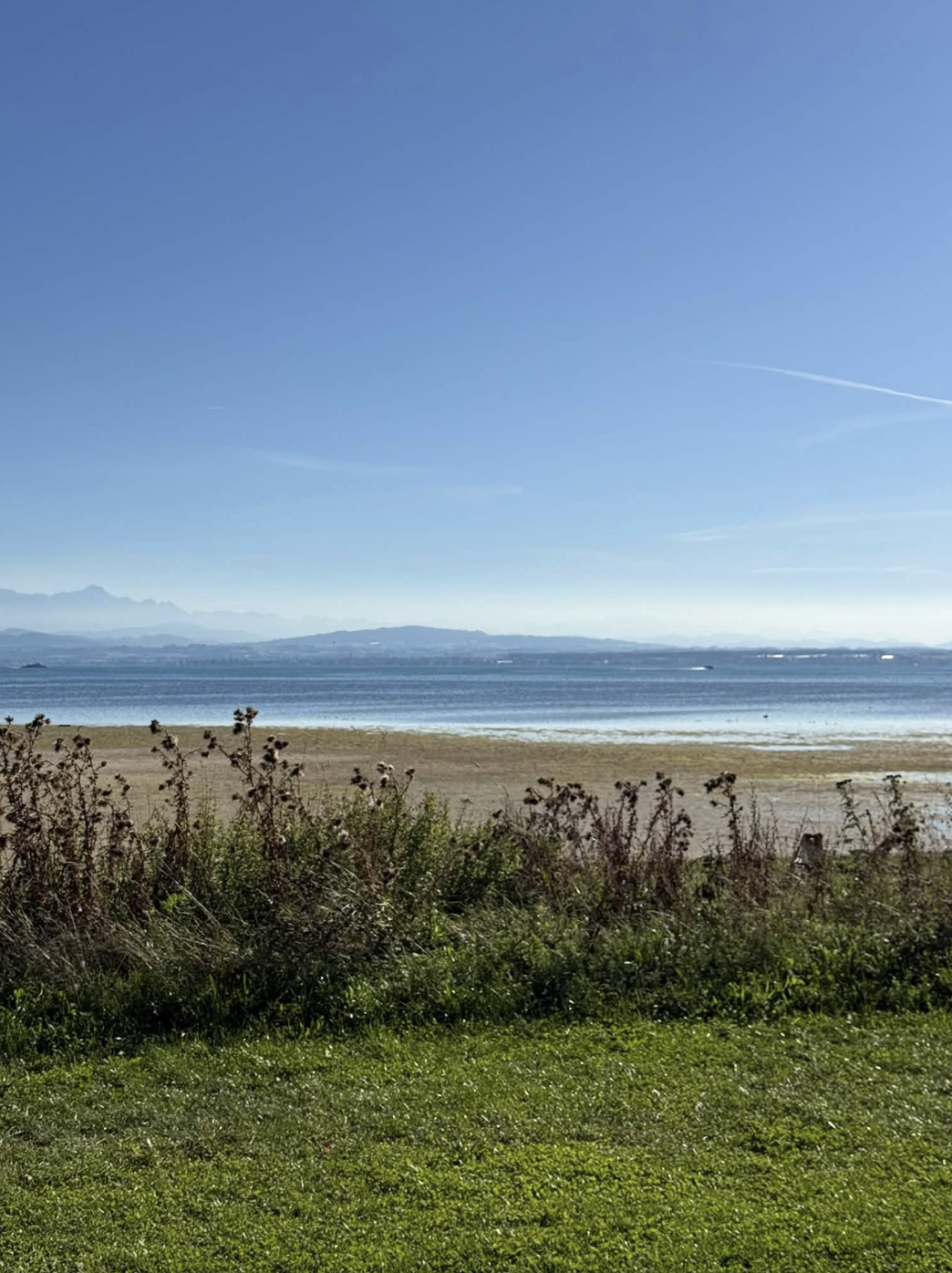
Set against the foothills of the Alps and shared by Germany, Austria and Switzerland, this beautiful corner of Europe remains surprisingly undiscovered by many American travelers. Yet for those who take the time to explore it, Lake Constance offers an extraordinary combination of history, culture, natural beauty and wonderfully distinctive experiences.
Here, gardens frame Baroque palaces, medieval towns unfold along the water, vineyards climb the hillsides and historic islands preserve stories that reach back more than a thousand years.
It is a landscape where history and everyday life seem to meet naturally at the water's edge.
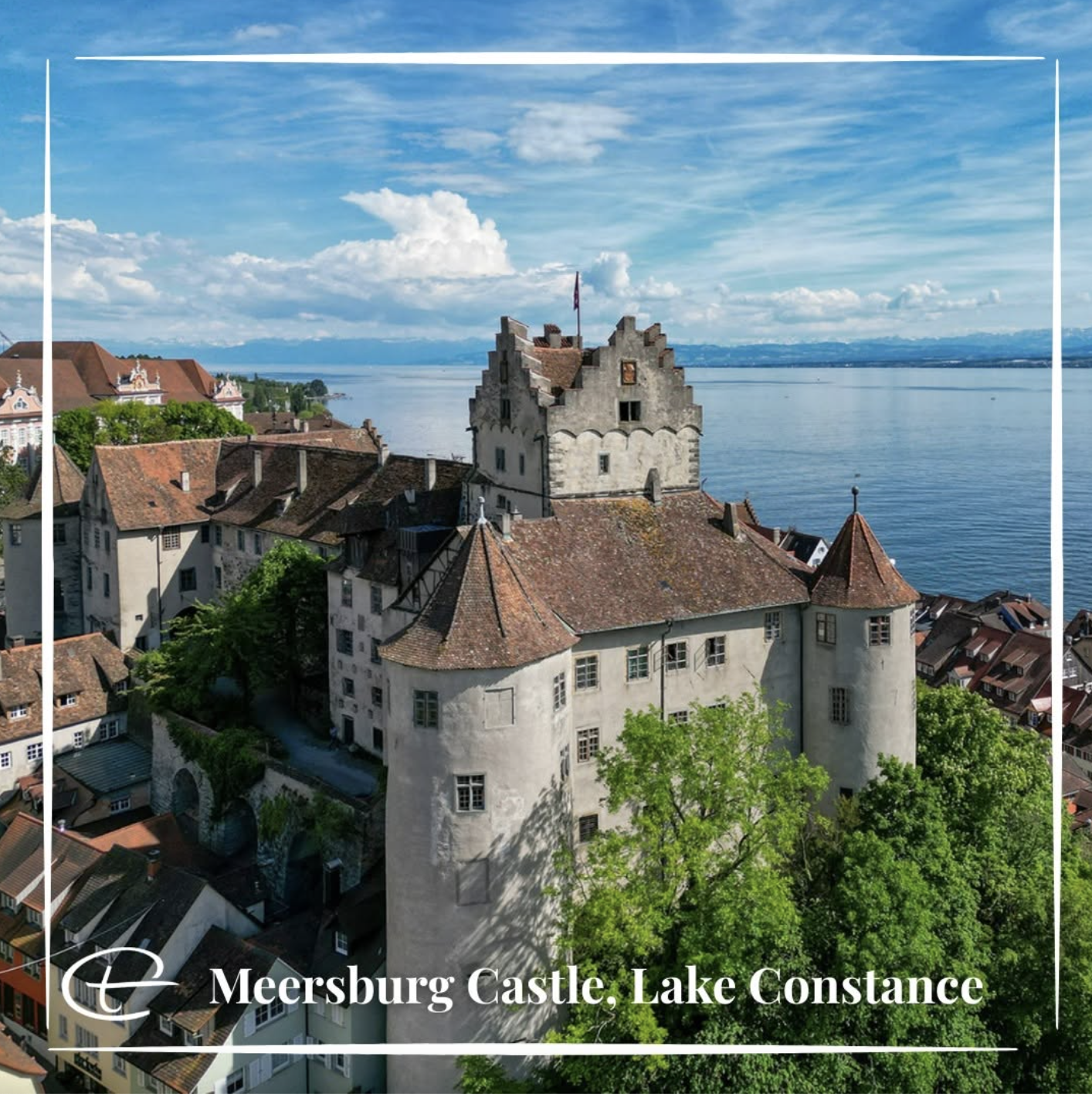
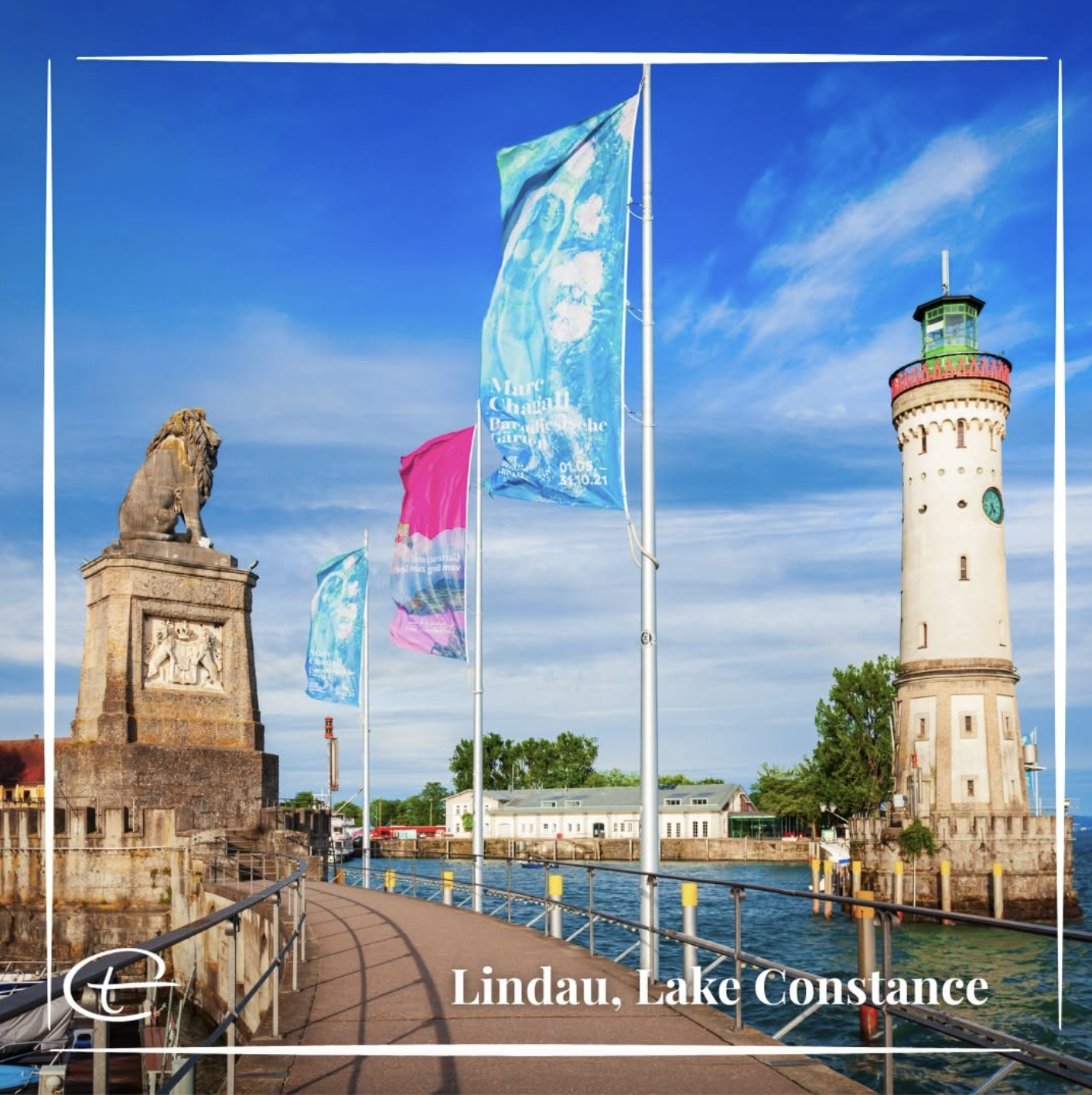
Meersburg: Medieval History Meets the Lake
One of the region's most memorable towns is Meersburg, where vineyards tumble toward Lake Constance beneath one of Germany's oldest inhabited castles.
The town's hillside setting makes it especially beautiful, but its history is equally compelling. The medieval castle, narrow streets and surrounding vineyards offer a glimpse into a Germany that feels wonderfully connected to its past.
For travelers who enjoy places where history remains part of the landscape rather than simply something displayed in a museum, Meersburg is a natural place to linger.
Mainau Island: Gardens, History and a Family Legacy
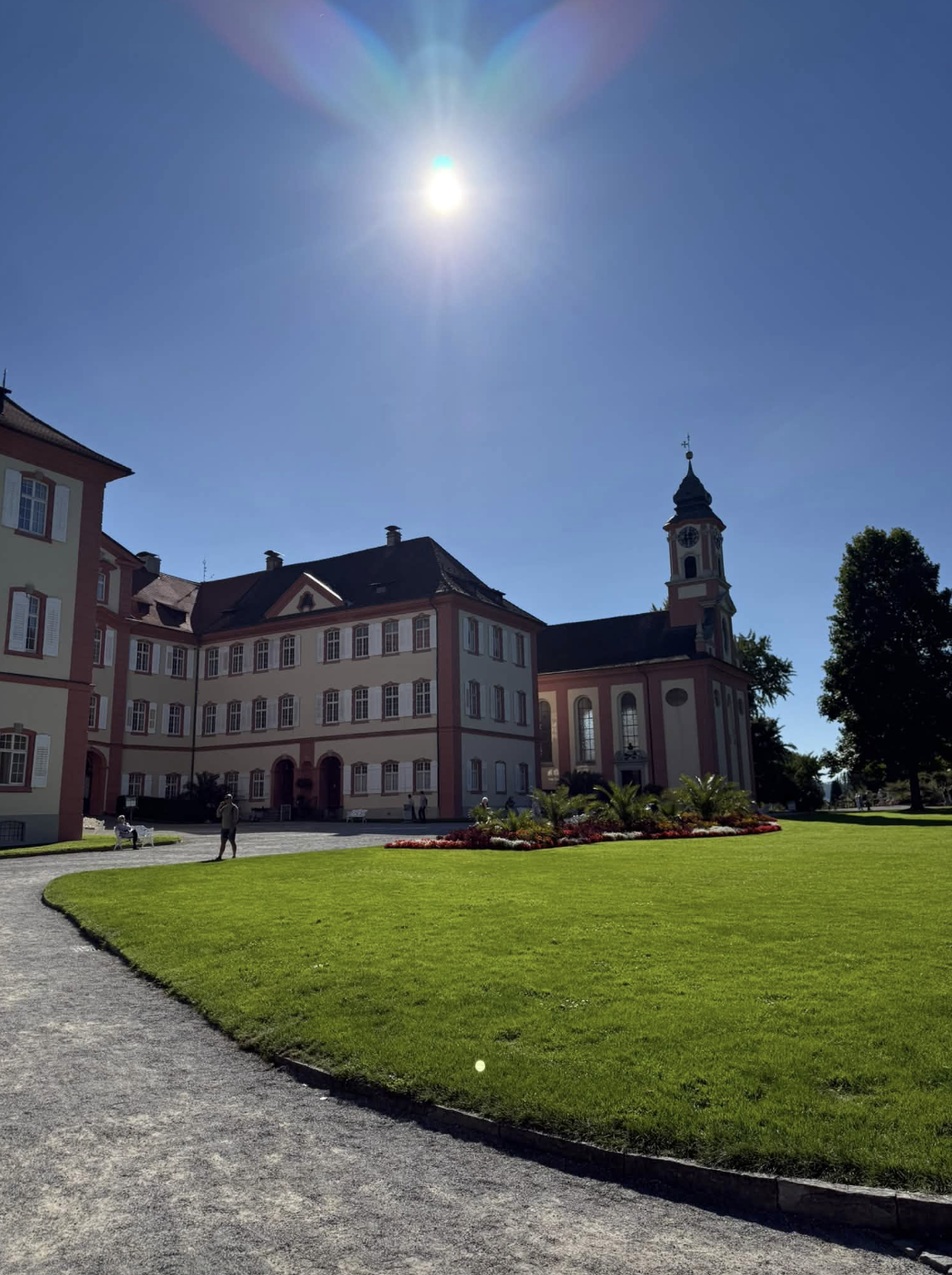
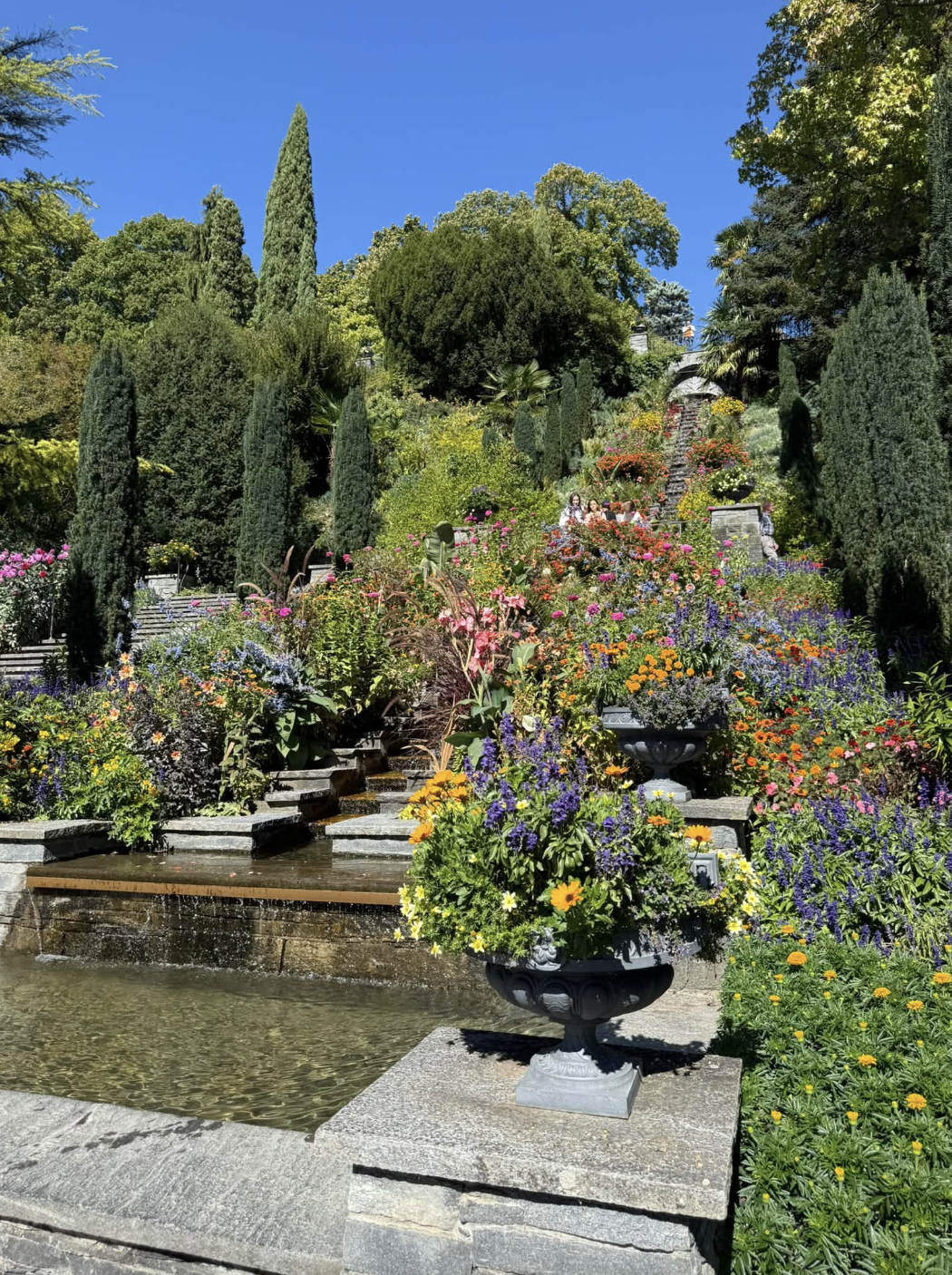
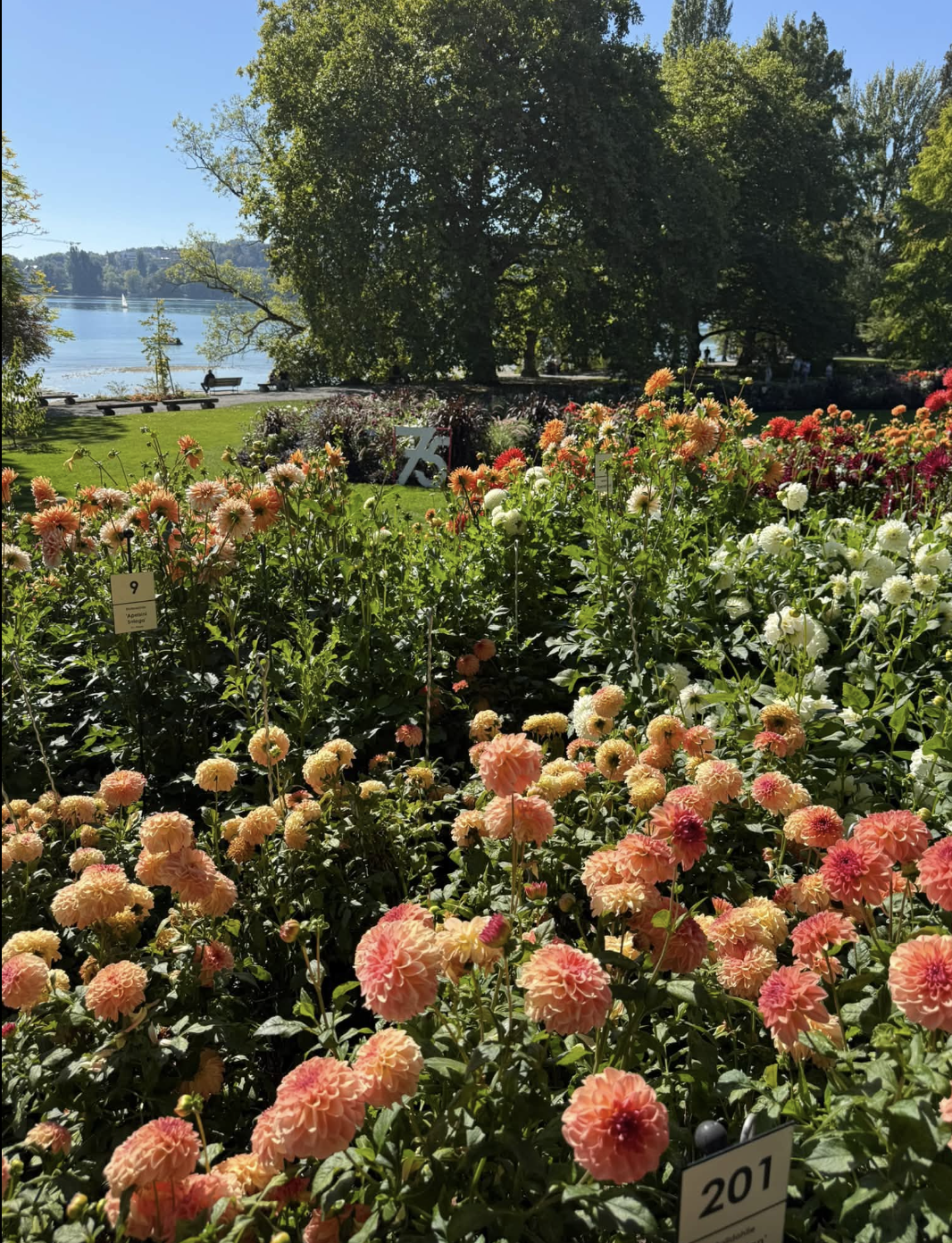
Then there is Mainau Island, perhaps best known as the "Flower Island" for its extraordinary gardens and thousands of blooms.
But Mainau's story goes much deeper than its gardens.
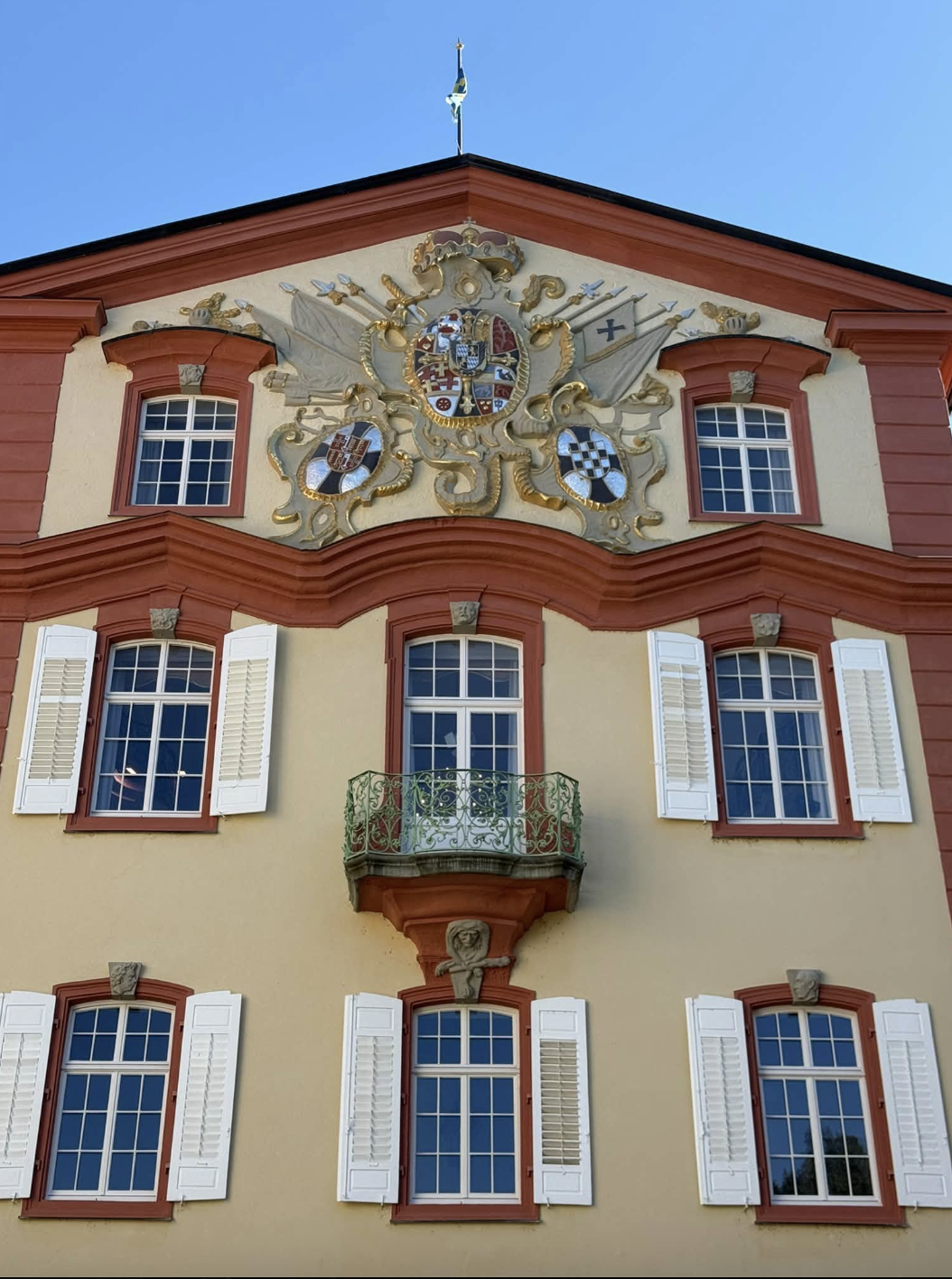
During his visit, Kareem had the opportunity to explore Mainau Castle and hear its history directly from Björn Count Bernadotte, whose family has been intimately connected with the island for generations.
Mainau passed through the hands of monasteries and noble families before being acquired by Grand Duke Friedrich I of Baden in the 19th century. He began transforming the island's grounds, planting exotic trees and establishing elements of the landscape that remain important today.
In the 20th century, the island became part of the Swedish royal family. Lennart Bernadotte and later his wife, Sonja, devoted themselves to developing Mainau into the botanical destination visitors know today.
Hearing that history from within the family's own home adds an entirely different dimension to the experience.
Suddenly, Mainau is not simply a beautiful garden. It is a living story.



Reichenau Island: A Journey into Medieval Europe
History takes an even deeper turn on Reichenau Island, a UNESCO World Heritage Site in the middle of Lake Constance.
More than 1,200 years ago, Reichenau became one of medieval Europe's great intellectual, spiritual and artistic centers. The Benedictine monastery founded here in 724 developed into an important center of scholarship, where monks studied and copied manuscripts and produced remarkable illuminated works.
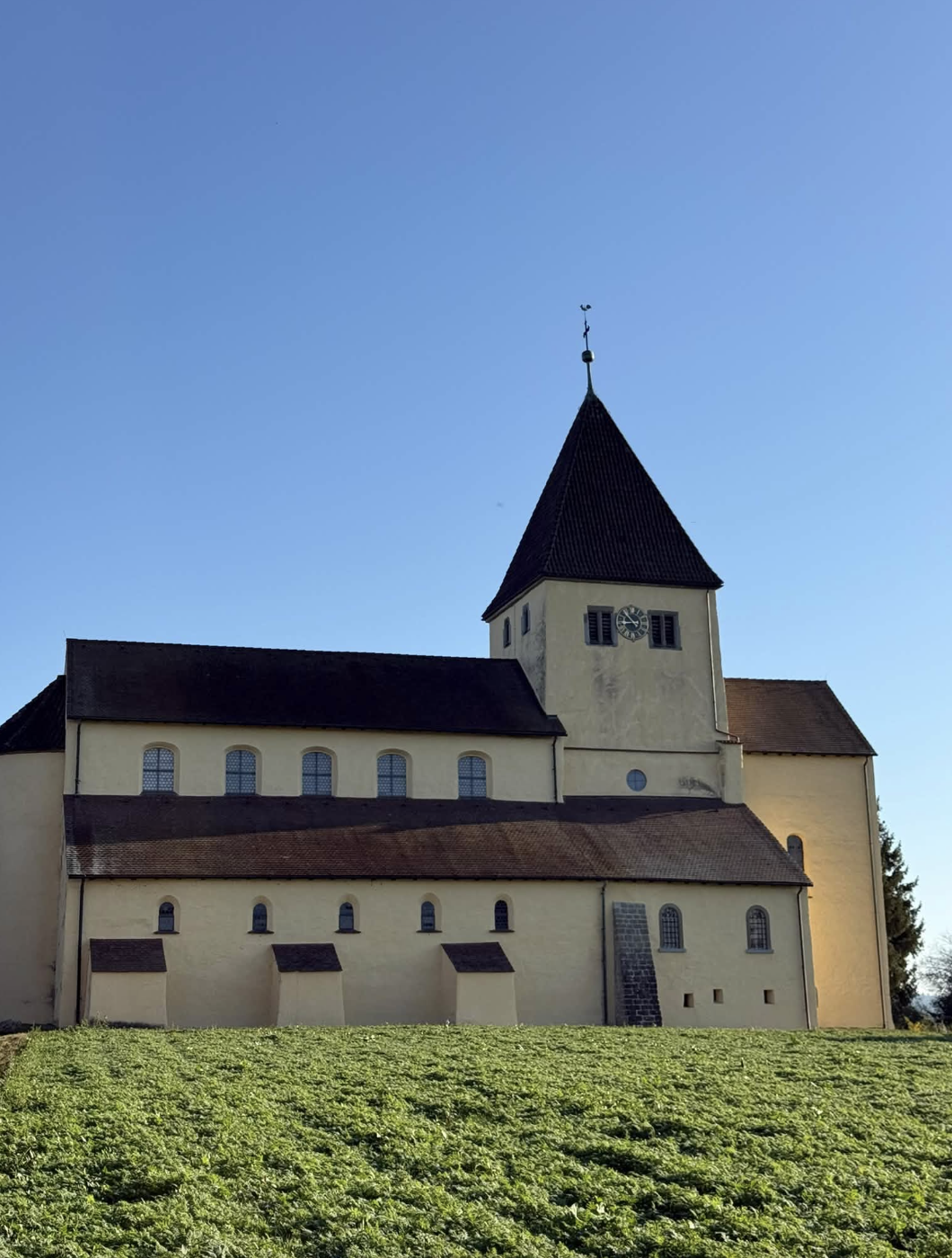
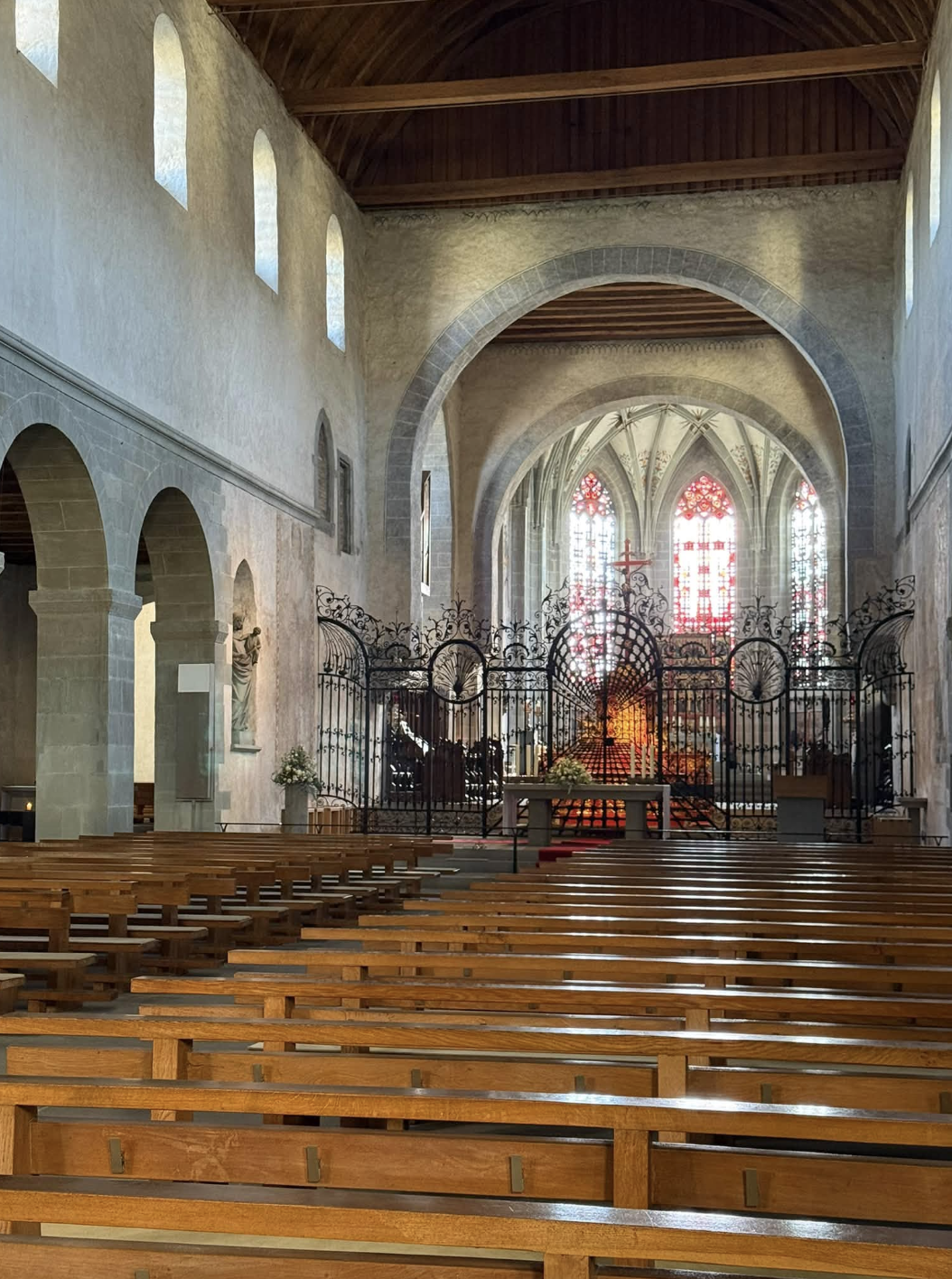
Today, three historic churches—St. Mary and Mark at Mittelzell, St. Peter and Paul at Niederzell, and St. George at Oberzell—preserve exceptional examples of early medieval architecture.
Inside St. George are extraordinary wall paintings dating from before the year 1000, among the most significant surviving examples of their kind north of the Alps.
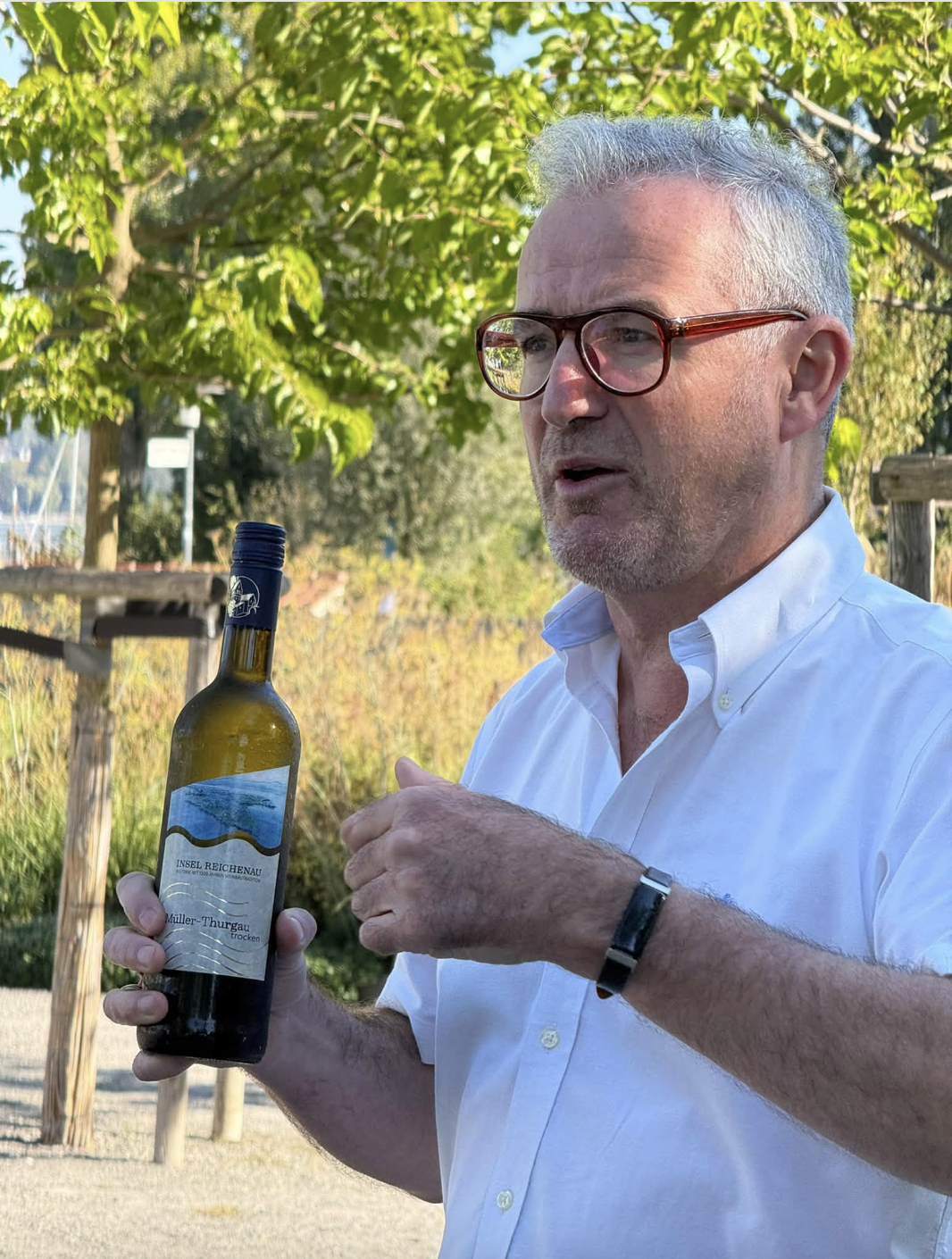
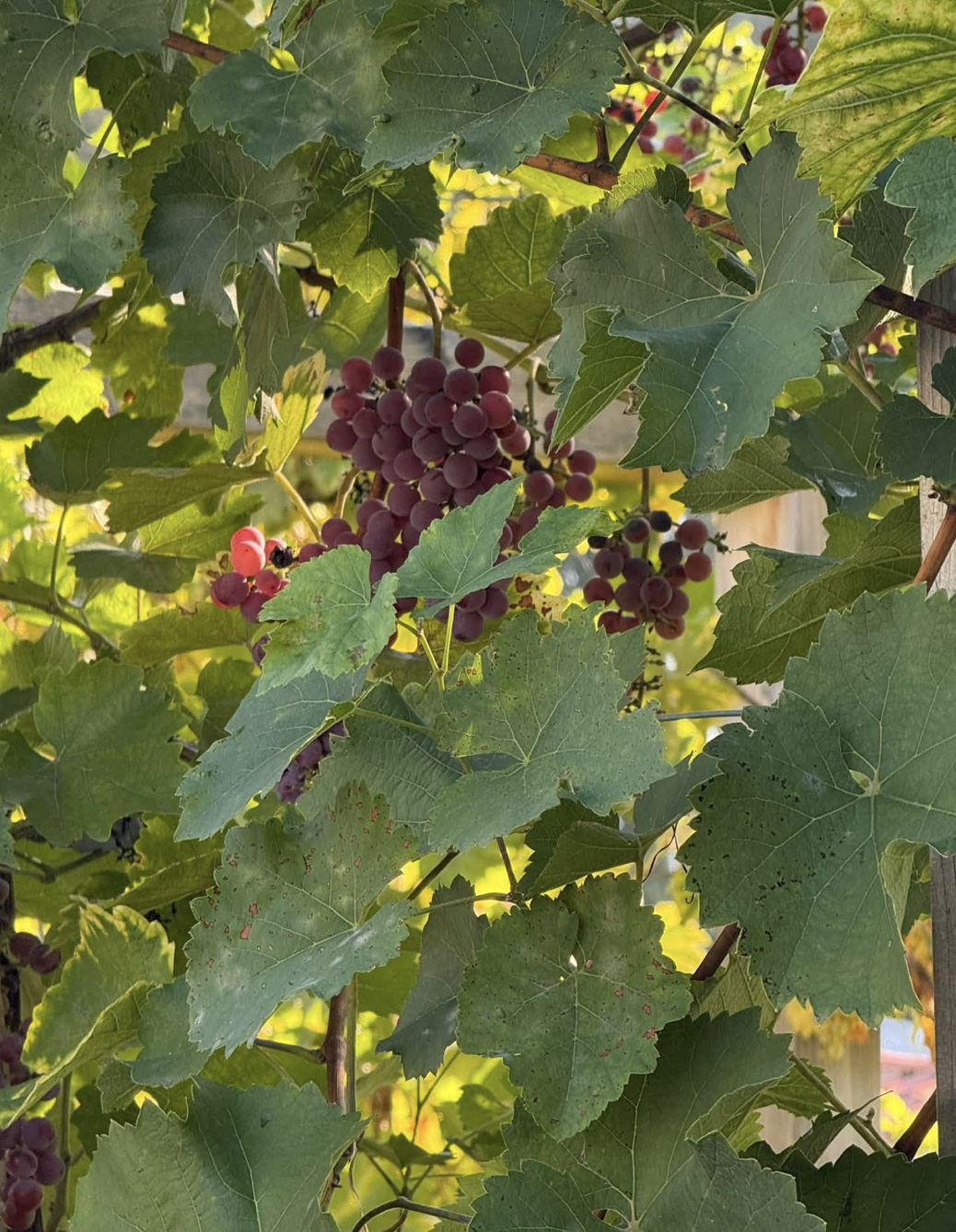
Yet Reichenau is not simply a place frozen in history. Its agricultural traditions remain an important part of island life, with vineyards, fields and greenhouses benefiting from the unusually mild climate around Lake Constance.
It is precisely that combination of ancient history and living traditions that makes the island so fascinating.

Friedrichshafen: Innovation on the Shores of the Lake
Lake Constance also has a remarkable connection to innovation.
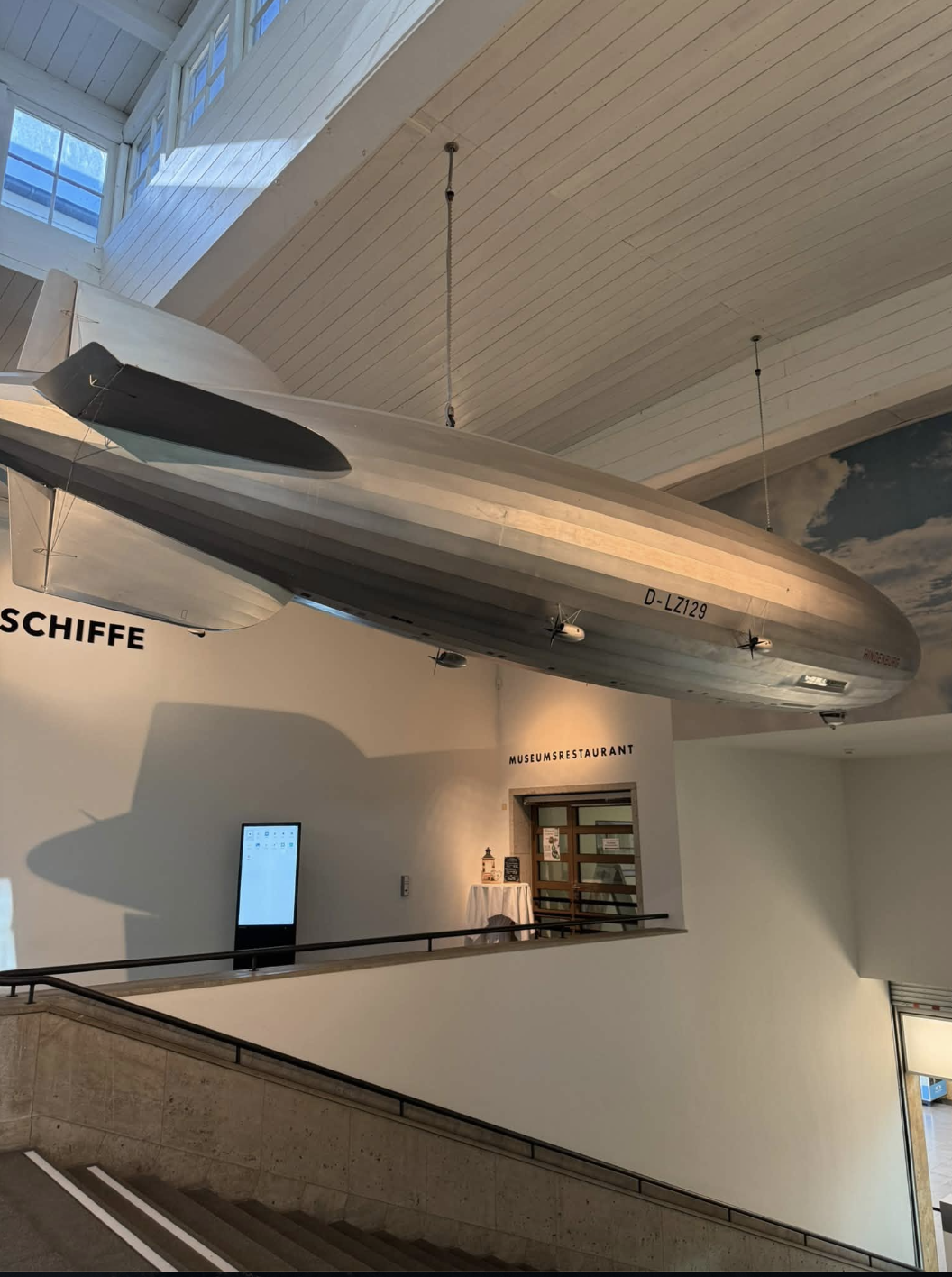
In Friedrichshafen, Kareem visited the Zeppelin Museum, located in the city's former harbor railway station overlooking the lake—the same waters above which Count Ferdinand von Zeppelin's extraordinary vision first took flight.
On July 2, 1900, Zeppelin's first airship, LZ 1, rose from Lake Constance near Friedrichshafen, beginning a new chapter in aviation history.
The museum tells that story through original airship components, engines, photographs, drawings, models and personal artifacts. Its centerpiece is particularly remarkable: a reconstruction of part of the LZ 129 Hindenburg that visitors can actually enter and explore.
But perhaps the most interesting part of the story is the idea behind the airships themselves.
Long before today's luxury travel, the great Zeppelins were attempting to make the journey itself an experience—creating spaces for dining, conversation, relaxation and watching the world unfold below.
That idea feels surprisingly familiar to the way we think about travel today.



A Slower Side of Germany
The Lake Constance region also offers opportunities to experience contemporary German hospitality and design.
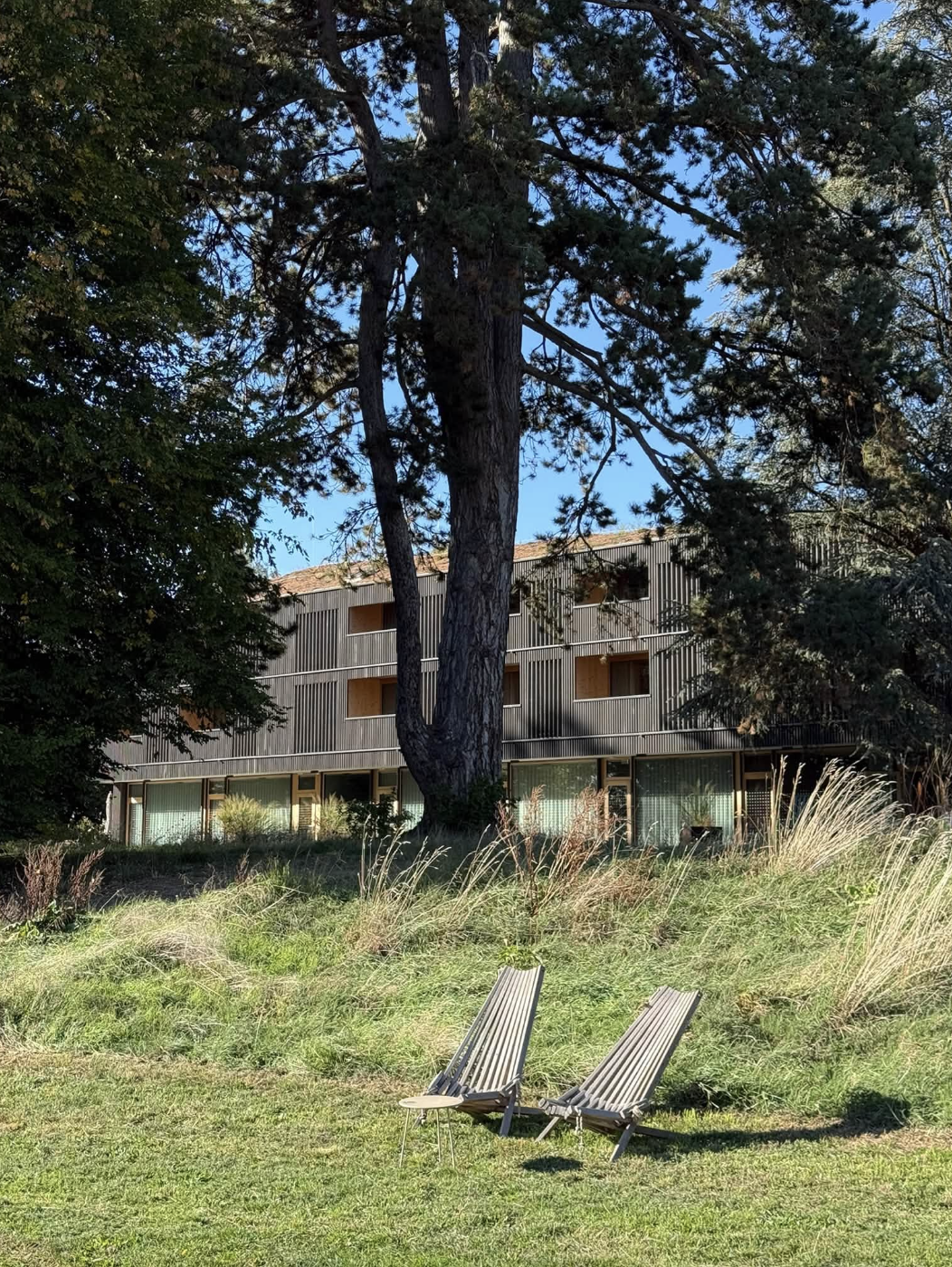
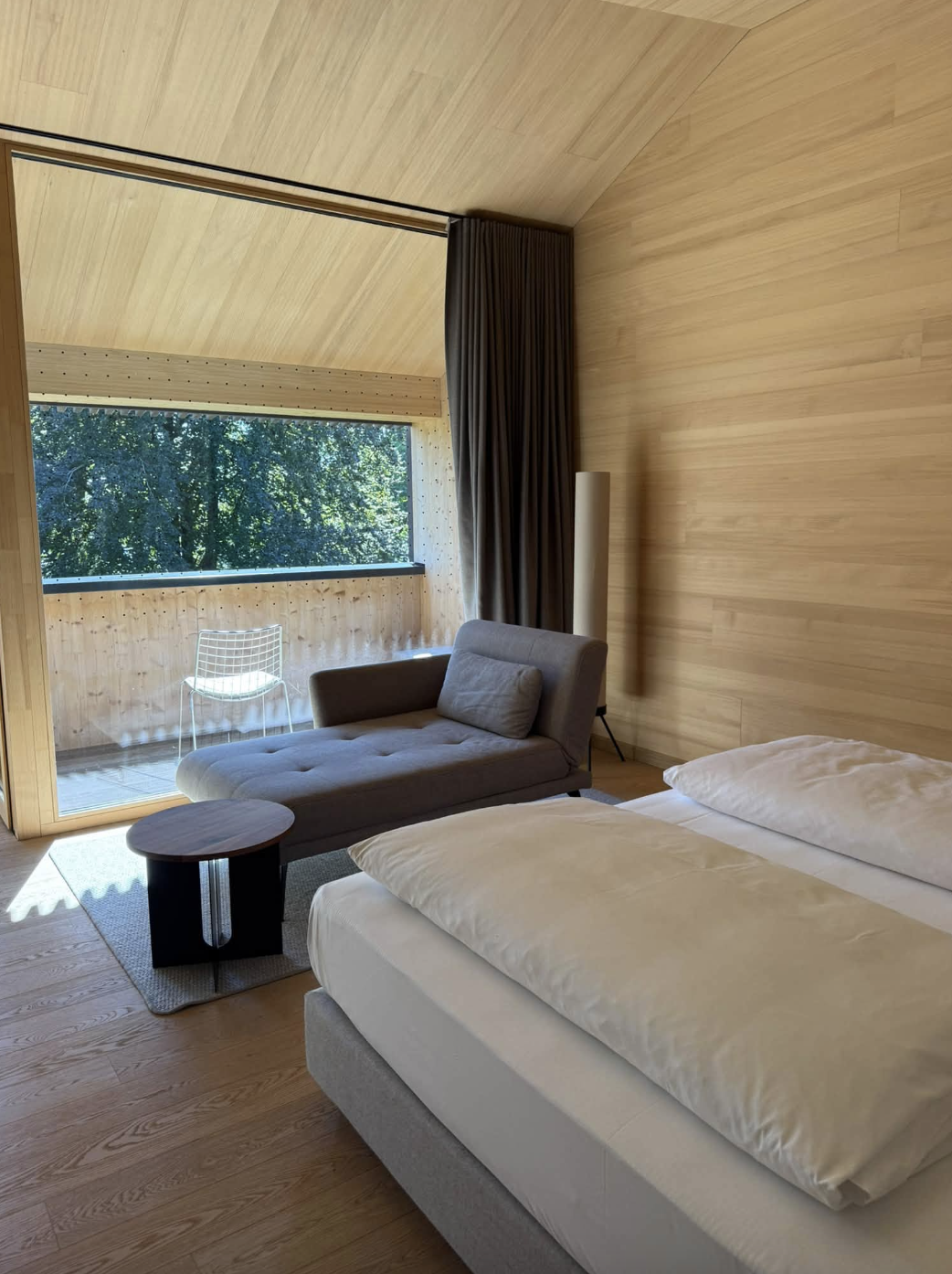
At Seegut Zeppelin in Fischbach, a peaceful lakeside retreat combines natural materials, contemporary architecture and four hectares of parkland with direct access to the water. Warm fir wood, oak, lime plaster and soft neutral tones create interiors designed to complement rather than compete with the surrounding landscape.
Nearby, the region's agricultural traditions remain very much alive. In Tettnang, Hopfengut No20 offers an intimate look at the area's celebrated hop-growing heritage. Hops have been cultivated here commercially since the 19th century, and the Locher family has continued that tradition across four generations.
The experience brings together agriculture, history, craftsmanship, food and beer—a perfect example of the way travel in this region invites you to look more closely at the place itself.

Why Lake Constance Belongs on Your Travel List
Perhaps what makes Lake Constance so appealing is that there is no single experience that defines it.
You can spend the morning exploring a medieval town, wander through extraordinary gardens in the afternoon, discover a thousand-year-old monastery or learn the story of one of aviation's most ambitious inventions. You can enjoy regional food and wine, explore contemporary design or simply sit beside the lake and take in the landscape.
It is a destination where history, culture and natural beauty coexist effortlessly.
And perhaps that is what makes Lake Constance so memorable.
It is one of those places that makes you wonder why you hadn't discovered it sooner.
Which town, island or experience would you explore first? If Lake Constance has found its way onto your travel wish list, we'd love to hear what catches your eye.