
Discovering the Pfahlbauten Museum: Lake Constance 5,000 Years Ago
What if you could step into a village from 5,000 years ago? At the Pfahlbauten Museum in Unteruhldingen, Germany, reconstructed Stone Age and Bronze Age settlements bring the prehistoric world of Lake Constance to life—and reveal how much we can learn from the traces people left behind.
This morning, I walked into a village on Lake Constance and suddenly found myself 5,000 years in the past.
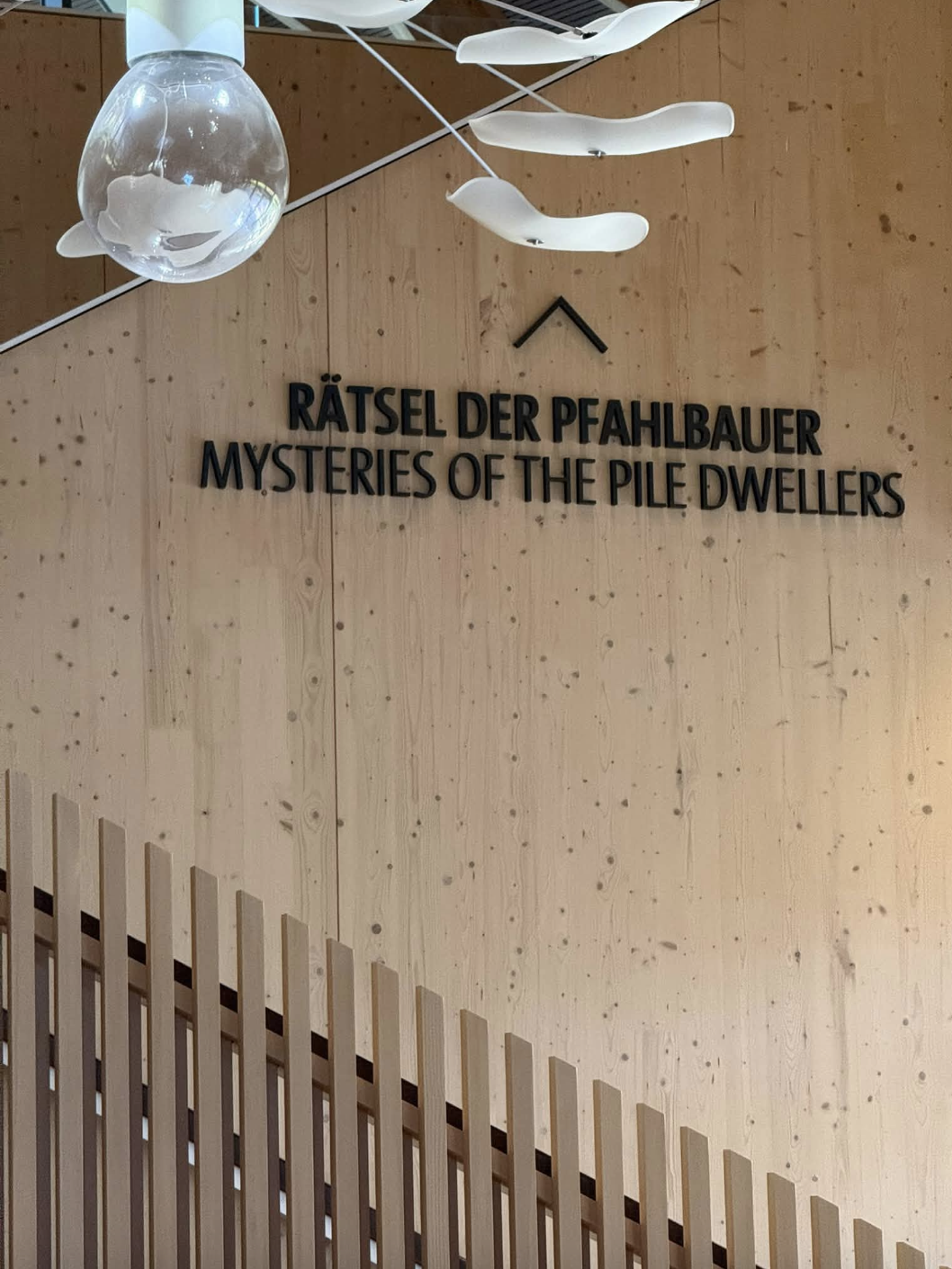
One of the most fascinating attractions in the Lake Constance region is the Pfahlbauten Museum Unteruhldingen, where an extraordinary chapter of European prehistory has quite literally been brought back above the water.
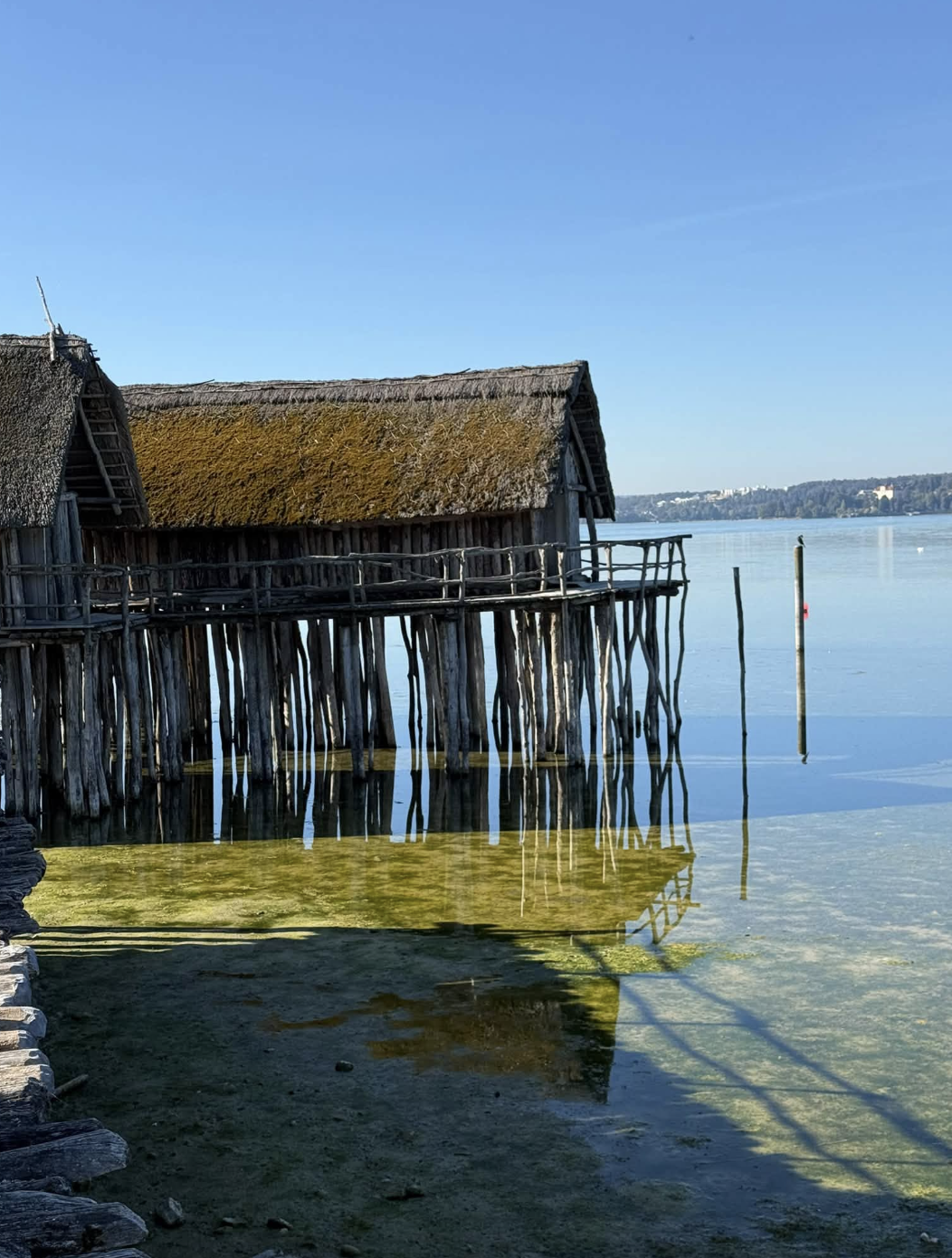
The museum tells the story of the pile dwellers, communities that lived along the lakes and wetlands of the Alpine region during the Neolithic and Bronze Ages. Around Lake Constance, settlements date from approximately 3900 BC through the late Bronze Age. Their homes were built using timber piles driven into the soft ground along the lakeshore, creating villages remarkably adapted to their watery surroundings.
Perhaps most striking is just how sophisticated these communities were.
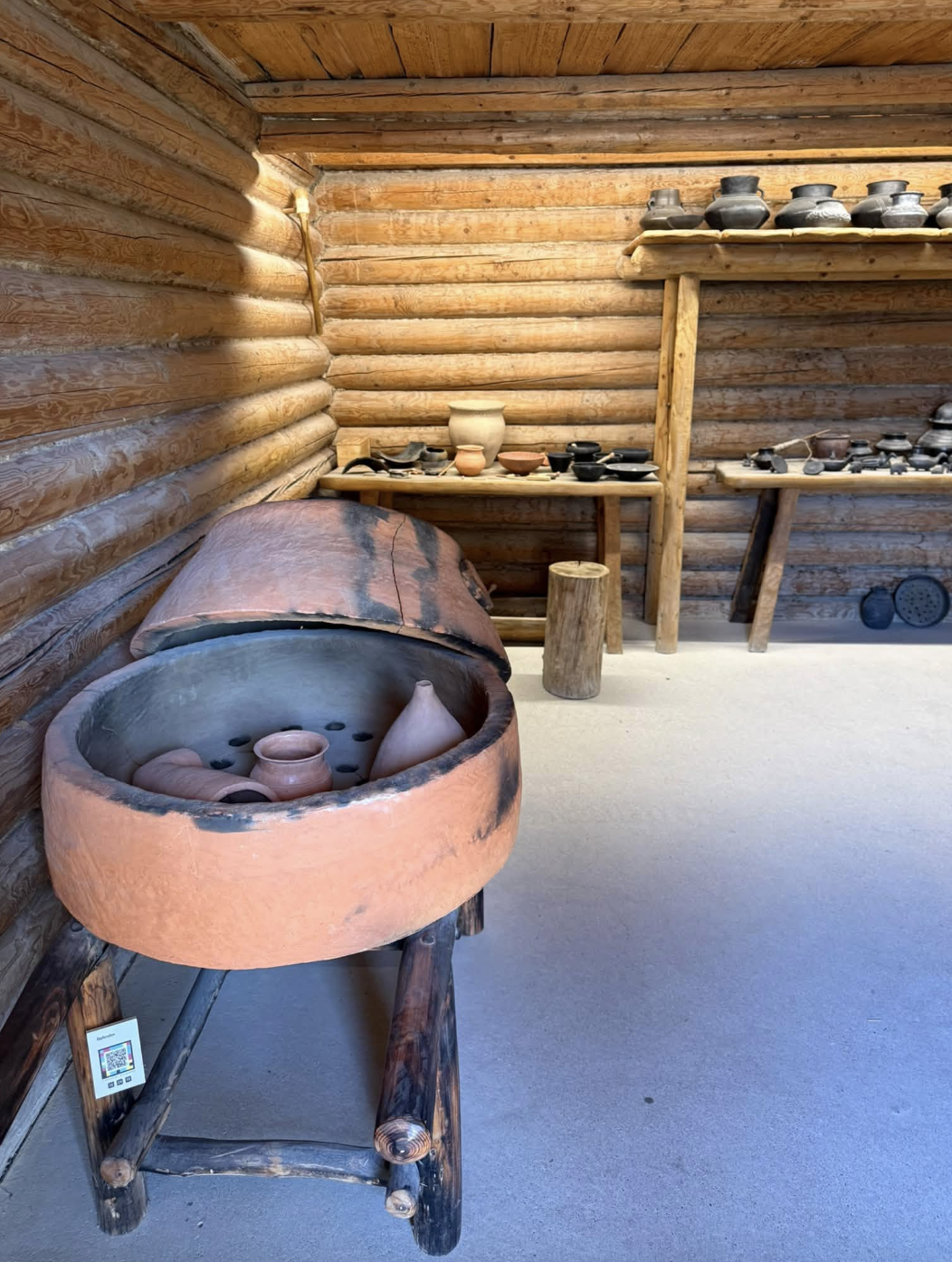
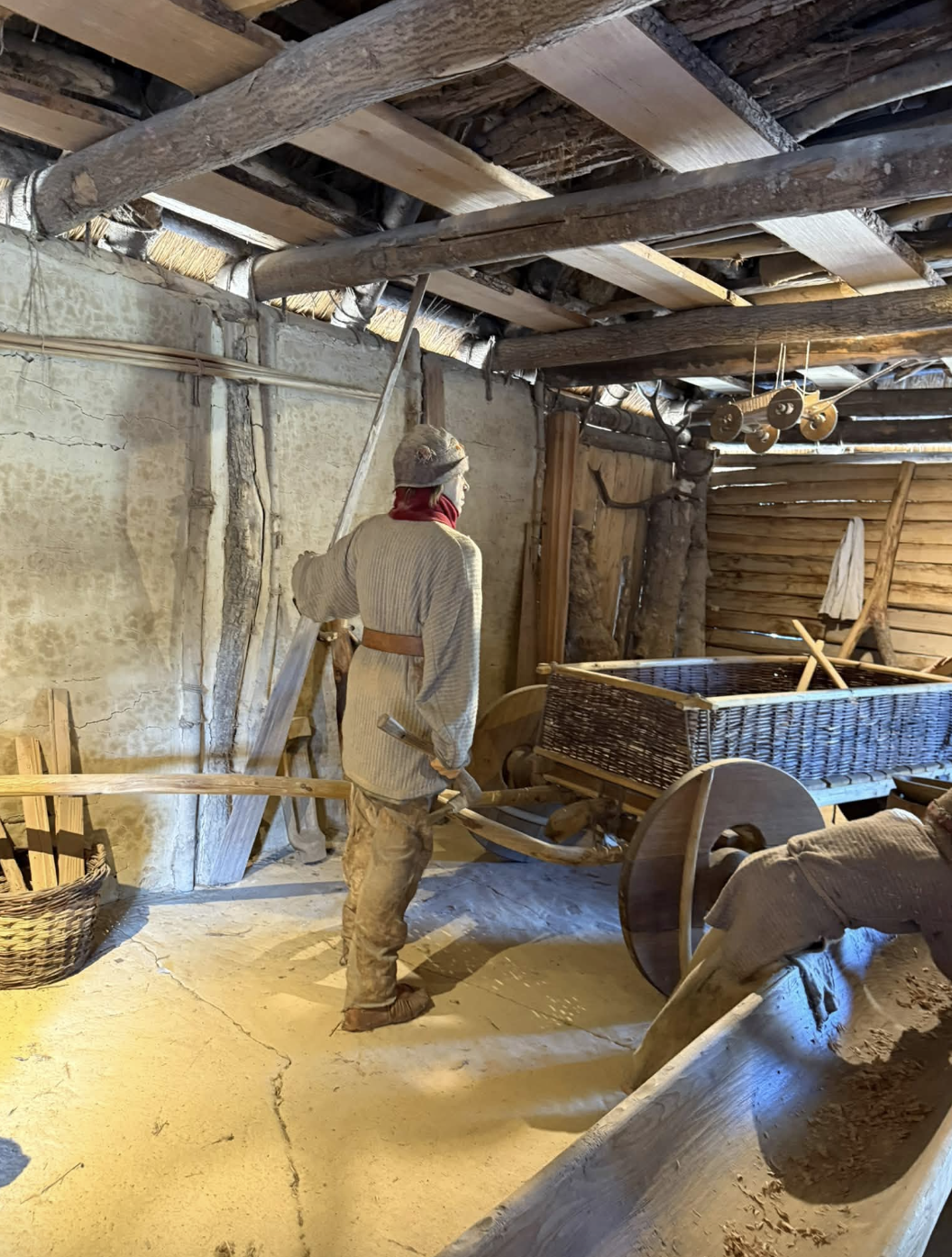
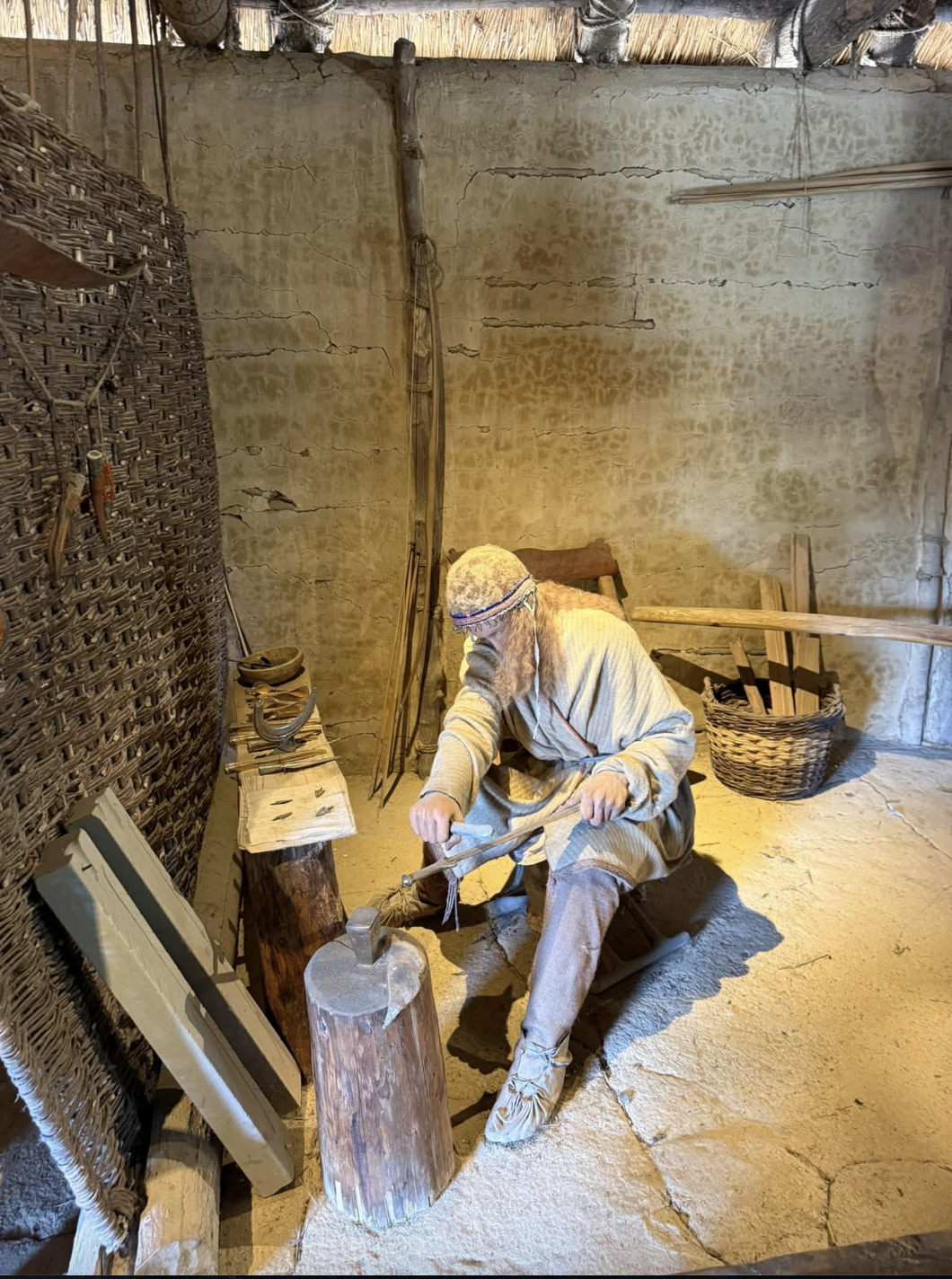
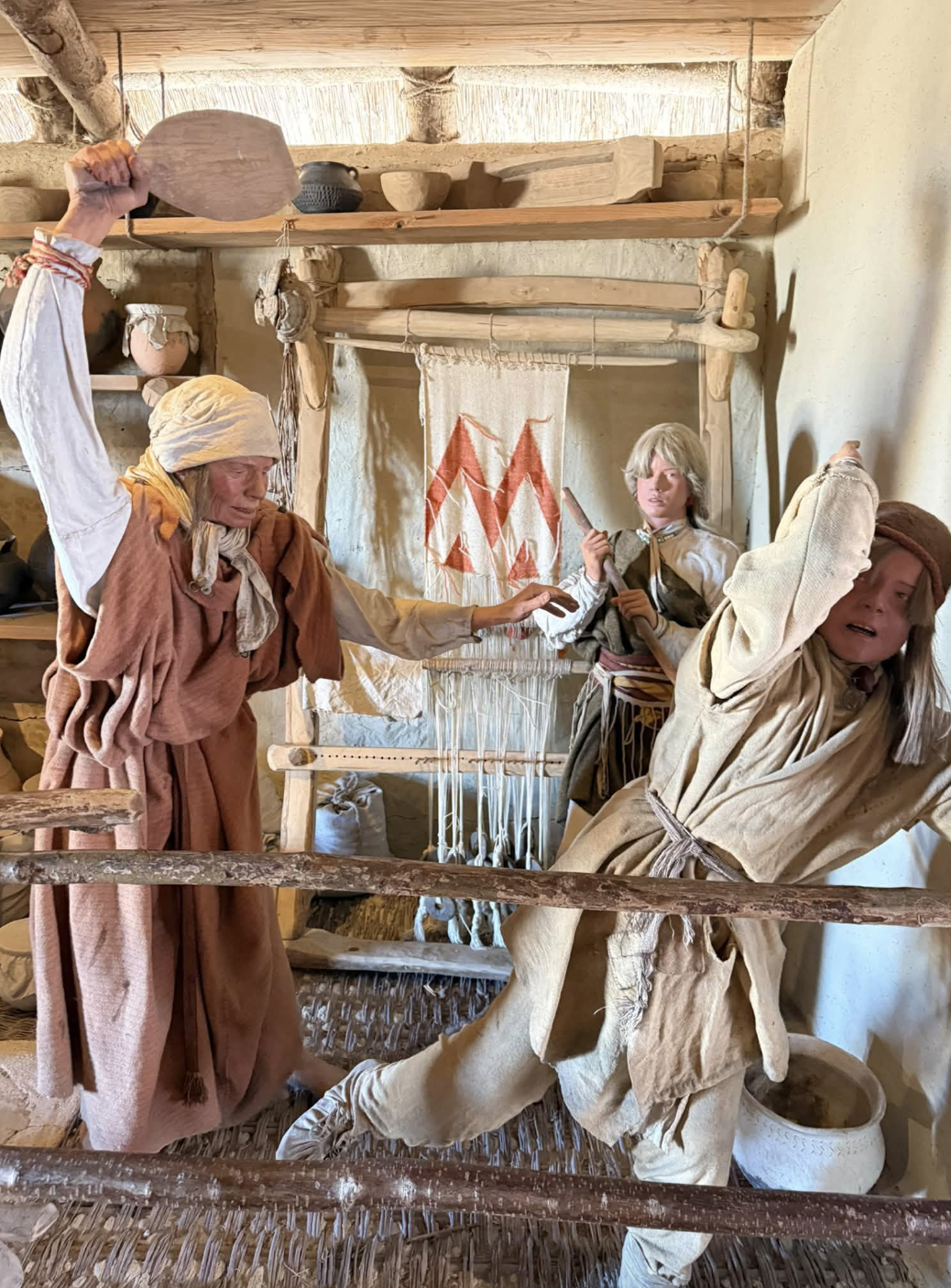
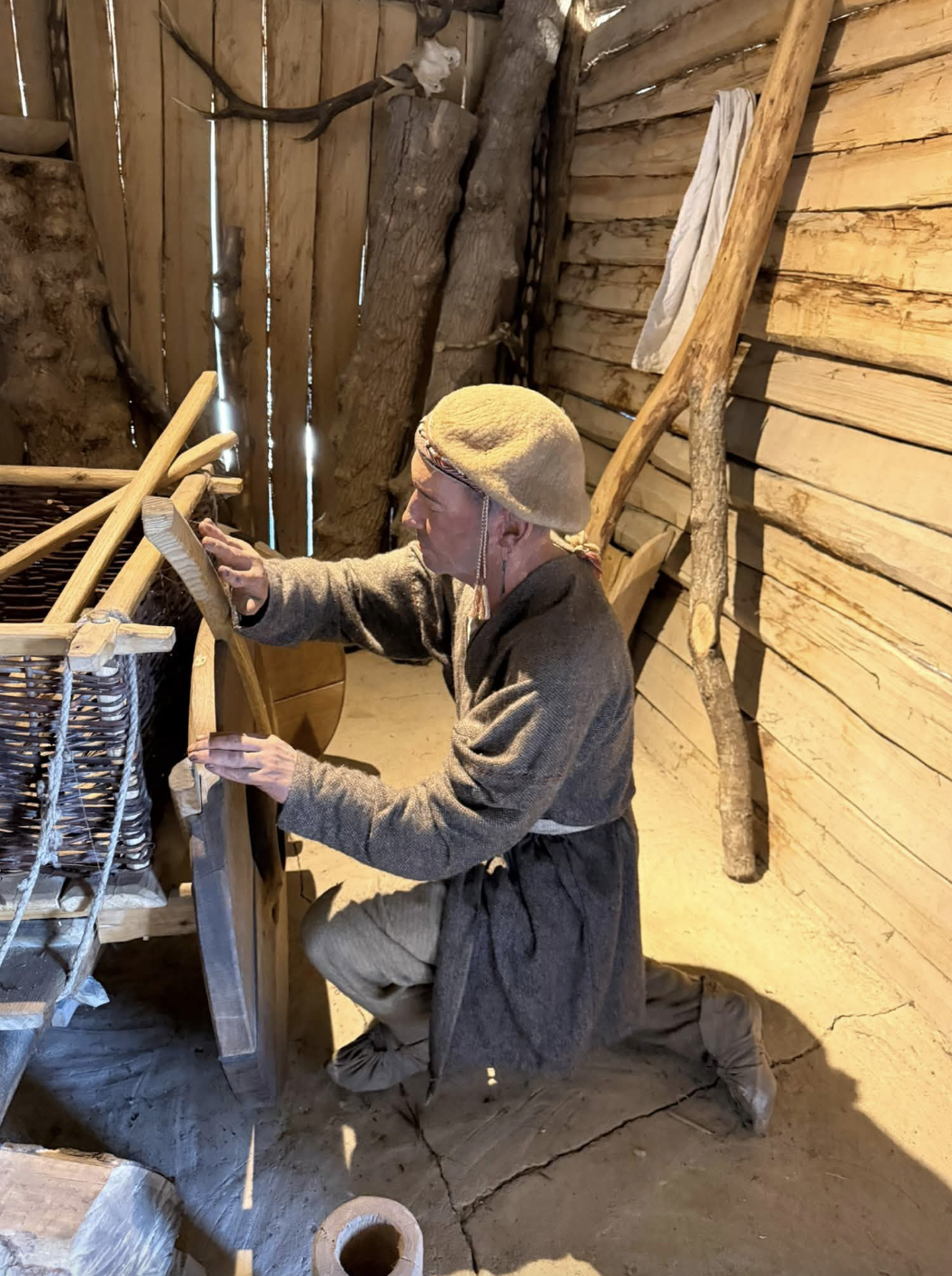
These were farmers, craftspeople, hunters, fishermen and traders. They cultivated crops, raised animals, worked with wood and metal, produced textiles and traveled by dugout canoe. Archaeological discoveries across the Alpine pile-dwelling sites reveal long-distance trade in materials such as flint, shells, amber and gold. Among the remarkable finds associated with these cultures are some of Europe's oldest surviving textiles and early wooden wheels and axles.
And then there are the villages themselves.

Walking Through Prehistoric Villages
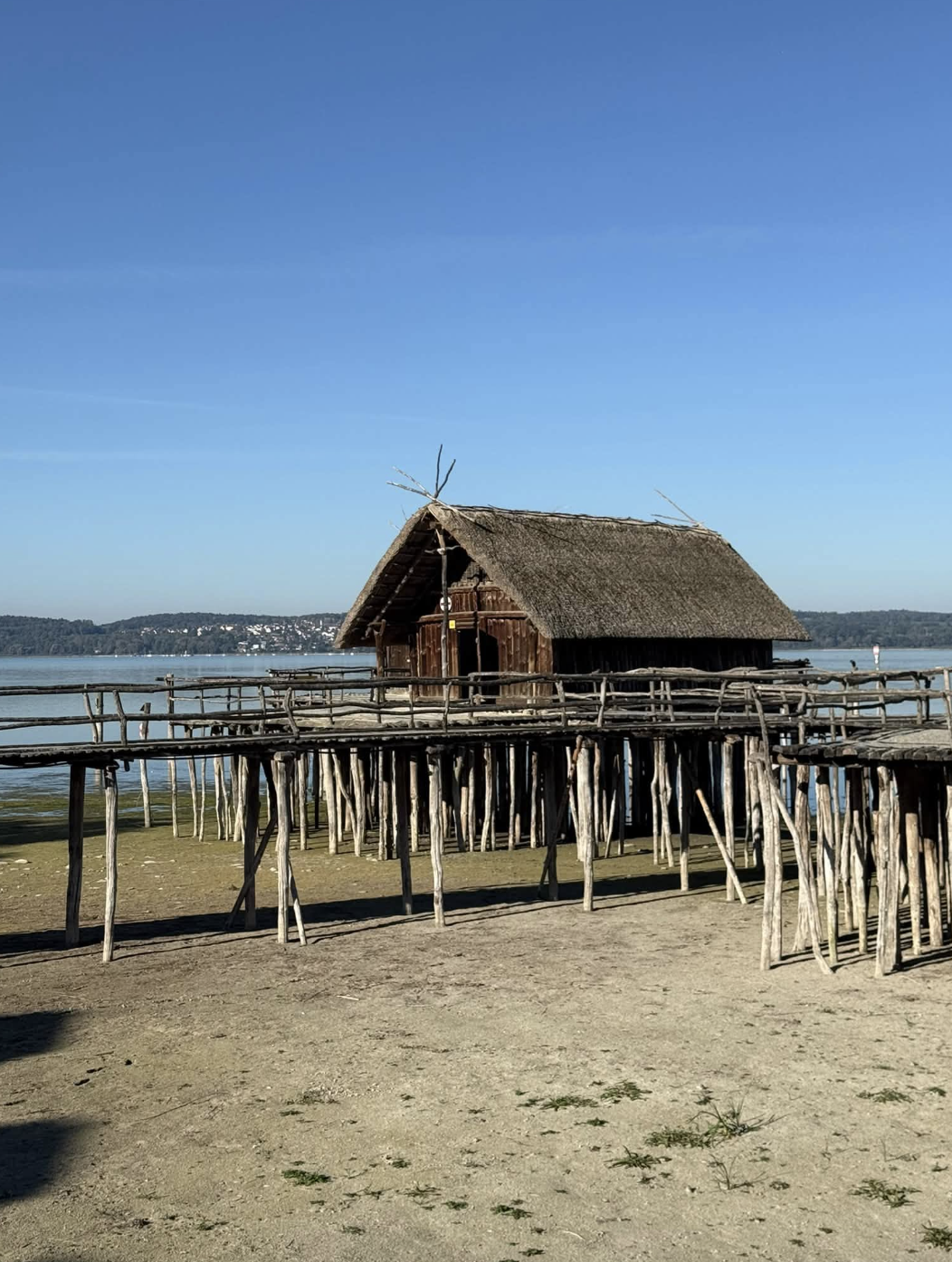
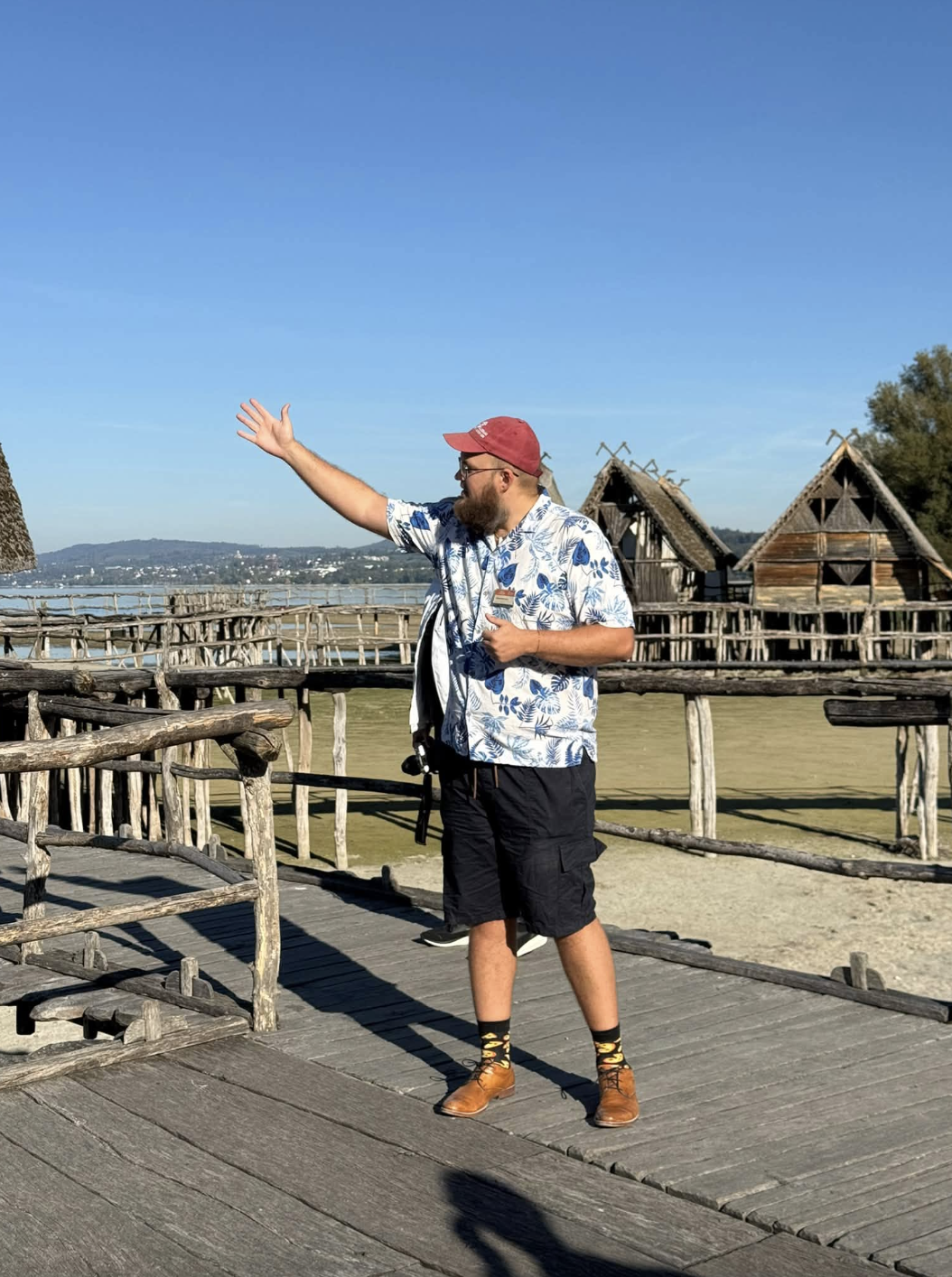
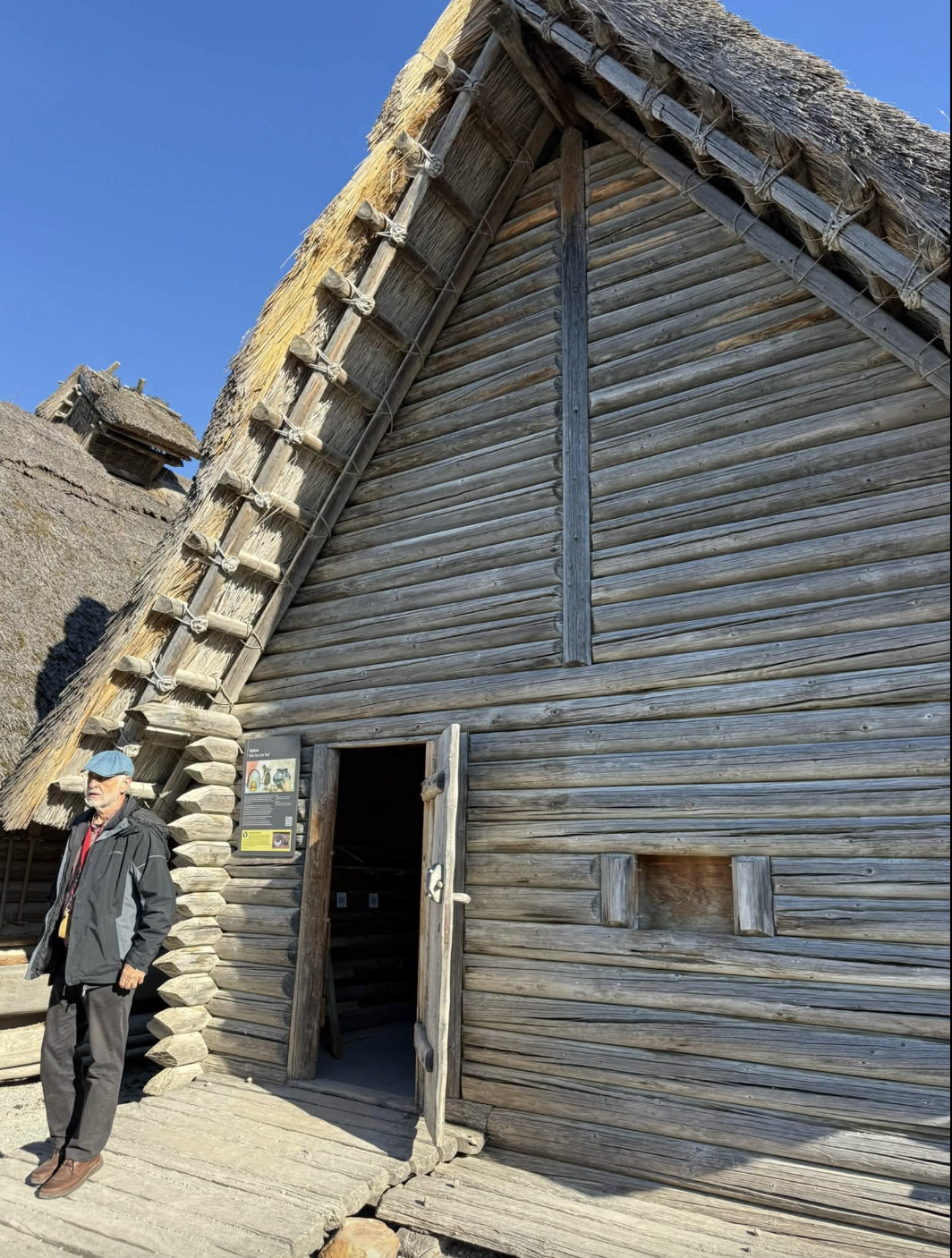
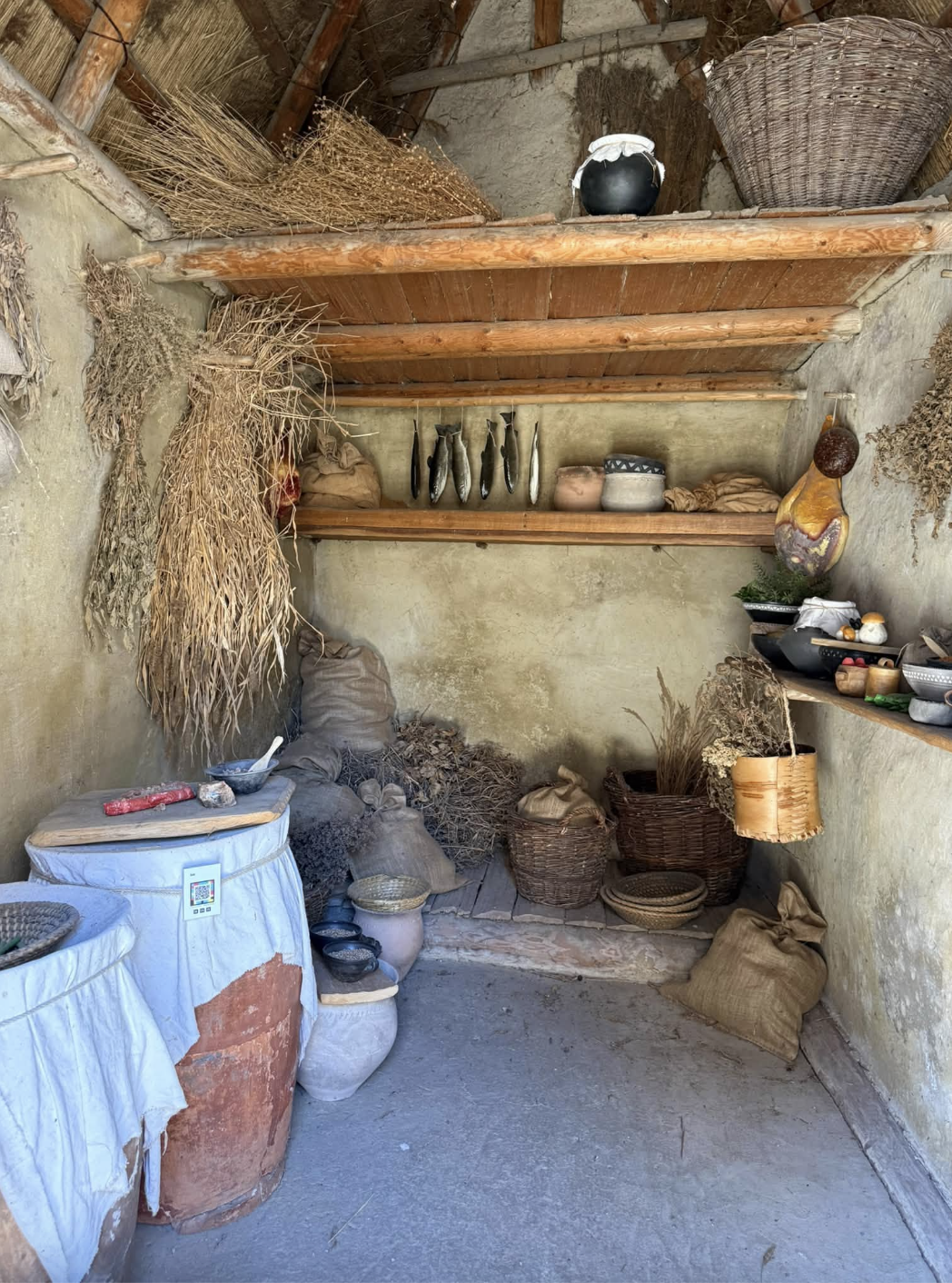
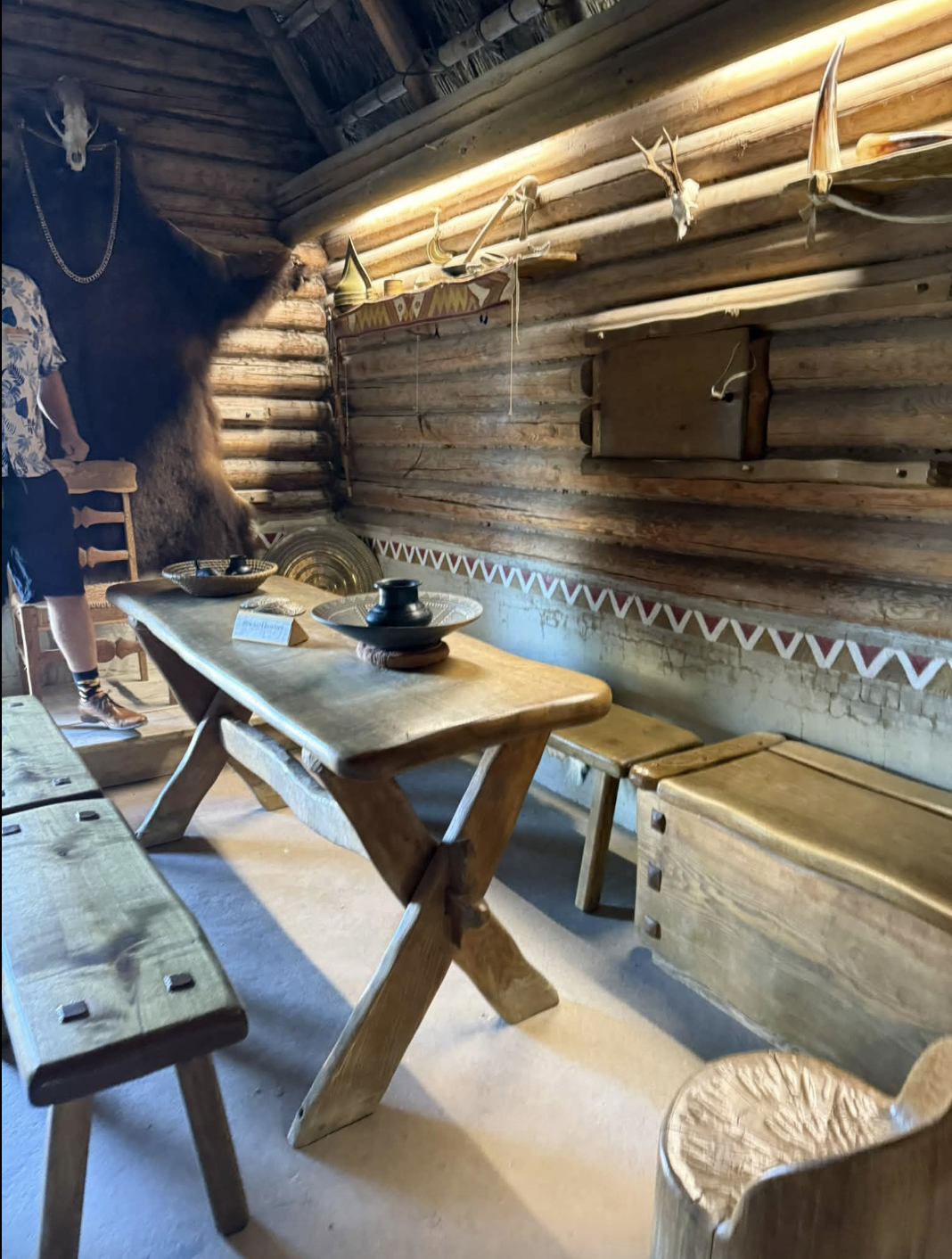
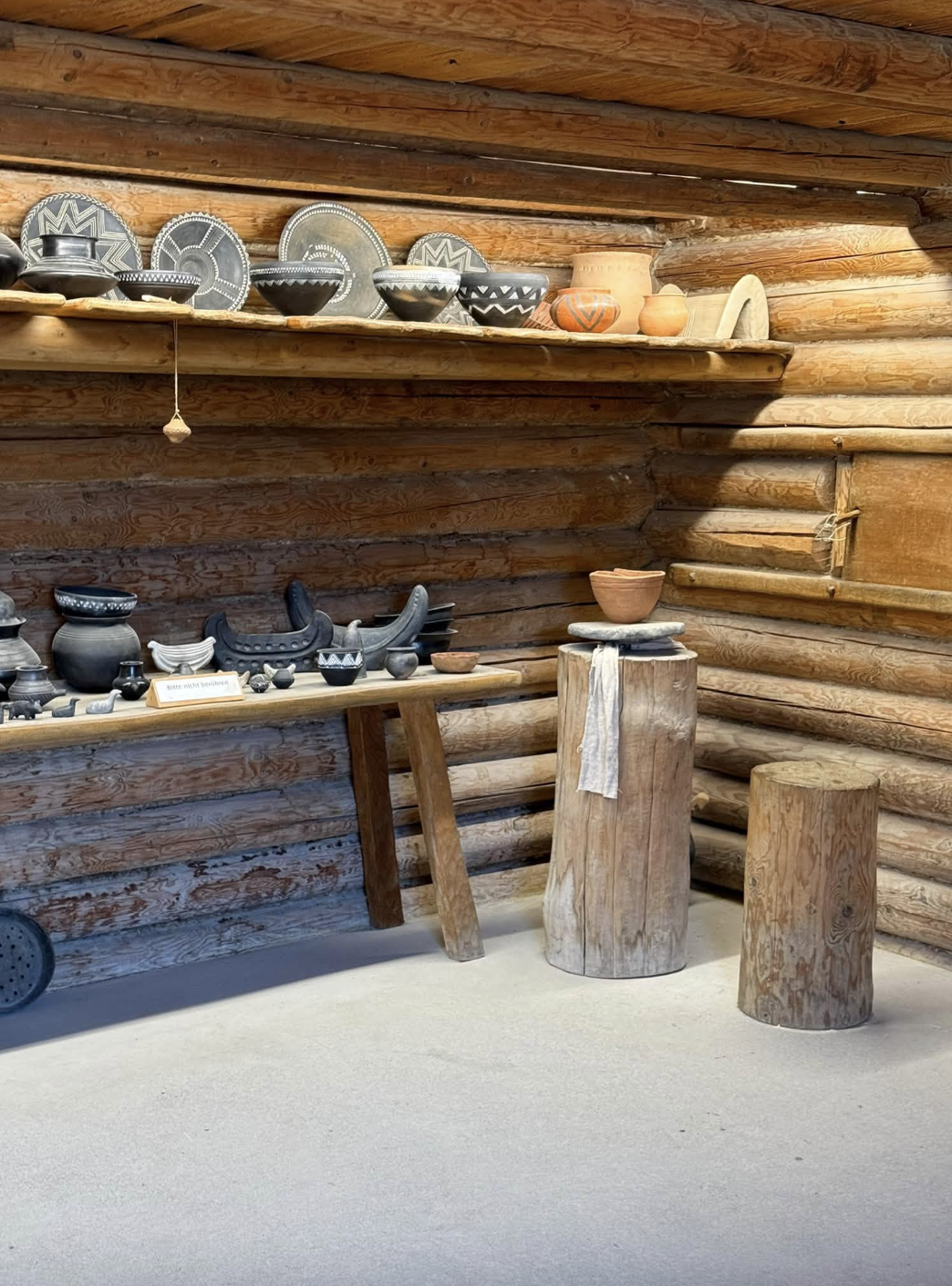
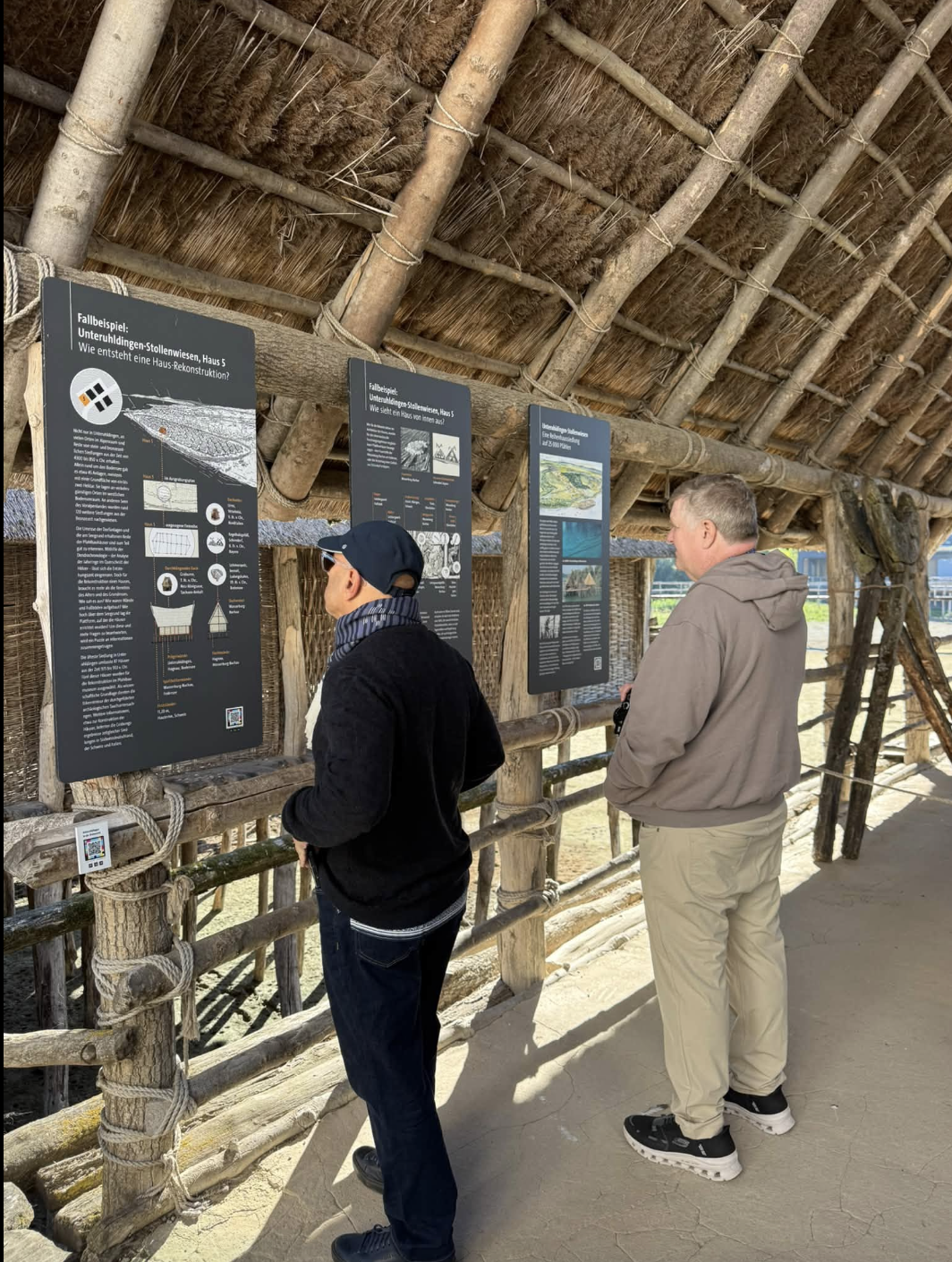
Following the wooden pathways through the museum, you enter reconstructions of Stone Age and Bronze Age houses, with living spaces, workshops and areas for animals. The museum features 23 reconstructed pile dwellings representing three villages and more than 3,000 years of prehistory.
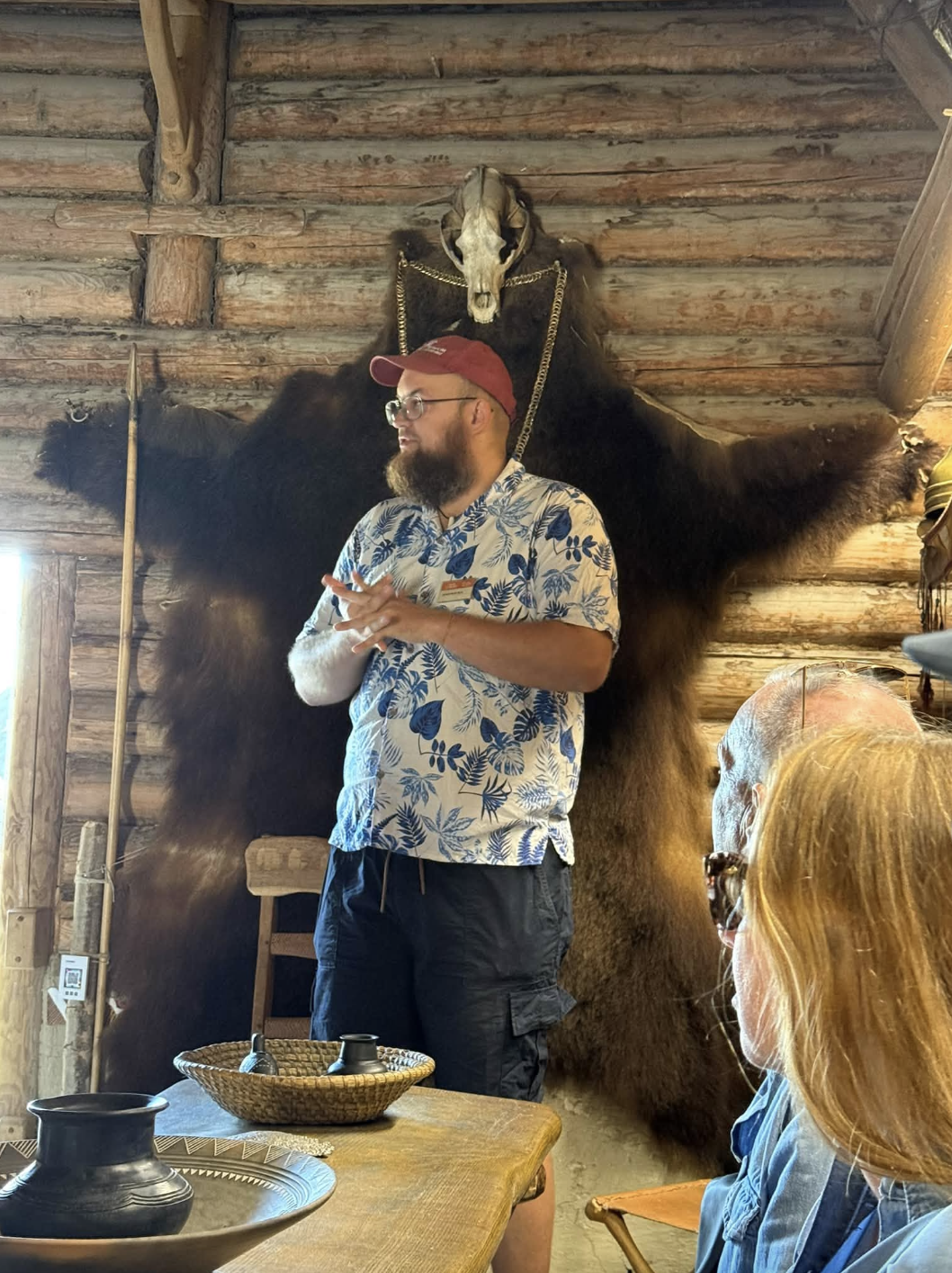
Rather than simply looking at archaeological objects behind glass, you begin to understand how an entire community might have functioned. The buildings offer a tangible sense of how people organized their homes, worked with available materials and adapted everyday life to the landscape around them.
It's one thing to read about prehistoric settlements. It's another to walk among their reconstructed homes with Lake Constance stretching out nearby.
How Water Preserved the Past
Another remarkable part of the story is that we know so much precisely because of the water.
When these settlements disappeared, portions of them became submerged or buried in waterlogged soil. The oxygen-poor conditions helped preserve materials that would ordinarily decay, including wood, textiles, food remains, tools and seeds.
These discoveries give archaeologists an unusually detailed picture of everyday life thousands of years ago. Even the growth rings in surviving wooden piles can help researchers determine when structures were built.
The lake that shaped these communities' lives also helped preserve evidence of their existence. What might otherwise have vanished has become an extraordinary record of how people lived, worked and interacted with their environment.
A Museum with a Remarkable History
The museum itself has a long history. Founded in 1922, the Pfahlbauten Museum is Germany's oldest prehistoric open-air museum.
Its exhibition building introduces visitors to the archaeology beneath Lake Constance, including original finds and the immersive ARCHAEORAMA presentation. From there, the reconstructed villages bring the archaeological discoveries into a more immediate, physical setting.
The experience connects the evidence preserved by archaeologists with the homes and communities that once stood along these shores. It makes a distant period of European history feel much closer.
A UNESCO World Heritage Story
The story of the pile dwellers extends far beyond Unteruhldingen.
In 2011, UNESCO inscribed 111 prehistoric pile-dwelling sites across six countries—Germany, Switzerland, Austria, France, Italy and Slovenia—on the World Heritage List. Nine of these sites are located around Lake Constance.
Together, the sites preserve an extraordinary record of European life between approximately 5000 and 500 BC. Their archaeological remains reveal how communities farmed, built homes, made tools and traded goods across the Alpine region.
The designation recognizes not just individual settlements, but the remarkable insights these sites provide into prehistoric society. The evidence preserved around Lake Constance forms part of a much larger story about the development of human communities throughout Europe.


Finding Our Shared Humanity in Prehistory
Standing inside these simple wooden houses, with beautiful Lake Constance stretching out around them, I found myself thinking less about how different these people were from us and more about how familiar so much of their world seems.
They built homes. They raised families. They farmed, cooked, traded and created things with their hands. They adapted to a changing environment and found ways to make a life together.
Thousands of years later, the traces they left behind still allow us to enter their world.
This is precisely the sort of place I love discovering when I travel: somewhere beautiful on the surface, but with layer upon layer of history waiting underneath.
And in this case, some of that history really is underneath the water.
Planning a visit: The Pfahlbauten Museum is located in Unteruhldingen on the German shore of Lake Constance. For current opening hours, visitor information and exhibitions, visit the official museum website.